
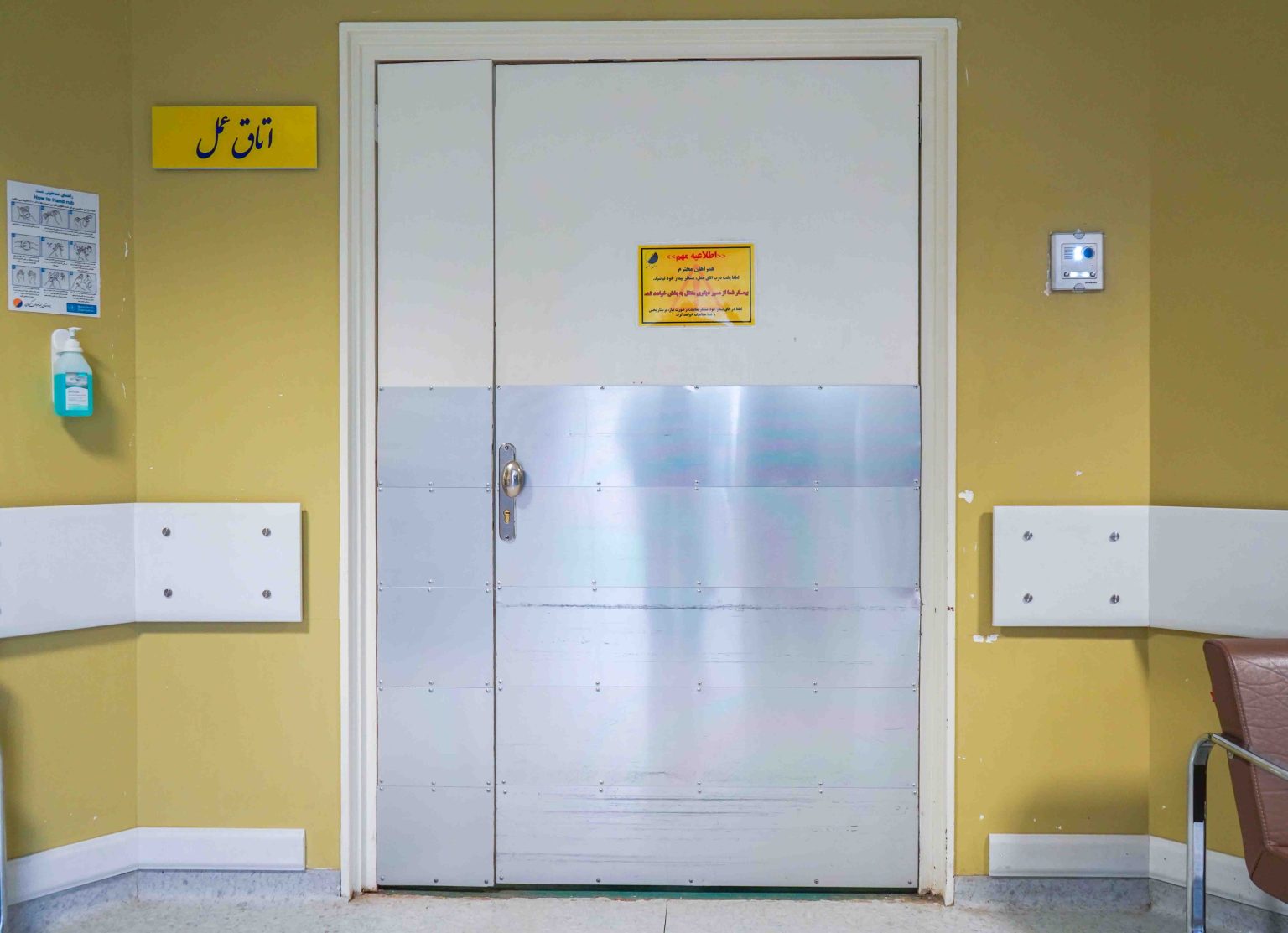
Surgery is one of the oldest and most important branches of medicine. In prehistoric times, operations were performed with hard, sharp-edged stones shaped like knives. Surgery advanced remarkably from the 19th century onwards, and the discovery of antibiotics and modern medical equipment paved the way for more precise operations such as heart and brain surgery and organ transplantation.
Designers, planners and specialists have proposed countless layouts for the operating theatre. Theatres differ with each hospital's needs, resources and patients, but every design shares one main goal: to make patients and theatre staff as safe as possible.
Operating theatres at Nimeh Shaaban Hospital
Our operating theatres are on the first floor of the hospital and include operating rooms, a recovery room, a doctors' room and changing rooms. They are ready around the clock for general surgery, orthopaedics, ENT, gynaecology, urology, ophthalmology and other specialties.
Theatre staff
The purpose of theatre work is clear: restoring the patient's health. Every member of the theatre team has clearly defined duties, and the team works in close coordination.
How patients are admitted to theatre
Operations take place either at a pre-booked time or as emergencies, after coordination with the theatre management.