
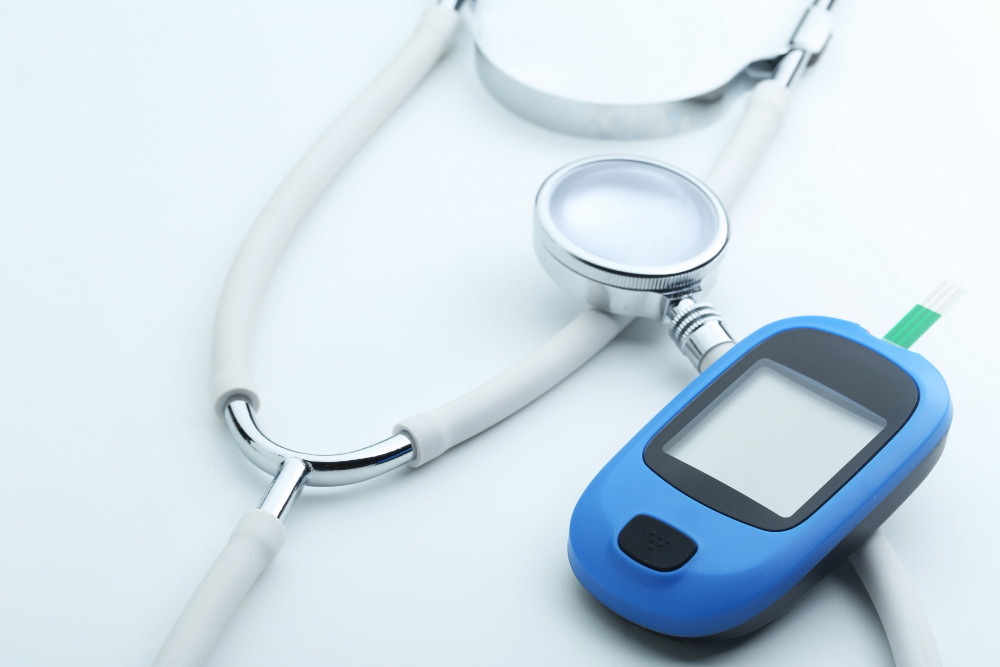
Diabetes, also known as sugar disease, is a chronic metabolic disorder. It begins when a hormone called insulin loses its function. This hormone is secreted by the pancreas. Its main role is to direct glucose into the body’s cells. When insulin cannot perform its function, glucose accumulates in the blood instead of entering the cells, causing its level in the body to rise; this is exactly when we say a person has diabetes.

Types of Diabetes
In general, diabetes can be divided into the following five categories:
Type 1 Diabetes
Type 1 diabetes, also known as juvenile diabetes or insulin-dependent diabetes, is considered an autoimmune disorder. In this condition, the immune system attacks the insulin-producing cells in the pancreas, destroying the body’s ability to produce insulin. As a result, there is no insulin in the body to direct glucose into the cells. This type of diabetes is congenital and is therefore more commonly seen in children.
Type 2 Diabetes
In type 2 diabetes, insulin is present in the body but does not function properly. This type is much more common than type 1, and the reason is straightforward: it is directly related to lifestyle and diet. Individuals who do not exercise regularly, consume sweets and industrial beverages, are overweight or obese, and smoke, unfortunately, increase their risk of high blood sugar. Type 2 diabetes mainly affects adults, but its prevalence among children and adolescents is increasing. Physical inactivity and excessive calorie intake are the two main factors for developing this condition in children.
Gestational Diabetes
Gestational diabetes usually occurs in the later months of pregnancy. Its occurrence is mostly related to hormonal changes. Hormones produced by the placenta specifically affect insulin and disrupt its function.
Prediabetes
If blood tests show that you are in a prediabetic stage, consider yourself lucky. This means that your glucose level is high, but you have not yet developed diabetes. The important point is that if you do not adjust your lifestyle and diet, you are likely to develop diabetes.
Diabetes Insipidus
Diabetes insipidus is a congenital disorder caused by dysfunction in the endocrine glands. It is characterized by excessive thirst and the production of large amounts of diluted urine, and it has no cure. Diagnosis requires consultation with an endocrinologist. This disorder occurs due to the absence of the antidiuretic hormone (vasopressin) or blockage of its function.
Differences Between Type 1 and Type 2 Diabetes
The nature of type 1 and type 2 diabetes is similar in that both involve insulin dysfunction. However, they differ in factors such as causes, affected individuals, and treatment approaches. In type 1, the body is unable to produce insulin at all. In type 2, the body can produce insulin, but there is resistance to it, meaning the hormone cannot perform its normal function. Anyone can develop this condition. While there is no definitive cure, a healthy diet and lifestyle can effectively control the disease.
Another difference is the speed and severity of symptom onset. Individuals with type 1 diabetes experience symptoms rapidly and intensely, while symptoms of type 2 develop slowly over several years.
Symptoms of Diabetes
The most common symptoms include:
- Frequent urination
- Excessive thirst and fluid intake
- Severe hunger
- Extreme fatigue
- Vision disturbances such as blurred vision
- Slow-healing wounds
- Dry mouth
- Unexplained weight loss
Causes of Diabetes
The causes of diabetes vary based on general health, family history, ethnicity, overall health, and environmental factors. There is no single common cause. Some known factors include:
- Weight: The more body fat you have, the more resistant your cells become to insulin.
- Family history: If a family member has diabetes, your risk increases.
- Age: Aging increases susceptibility to high blood sugar.
- Pregnancy: Hormonal changes make pregnant women more prone to diabetes.
- Polycystic Ovary Syndrome (PCOS): This condition can lead to high blood sugar in women.
- High blood pressure: Elevated blood pressure can contribute to high blood sugar.
- Abnormal cholesterol and triglyceride levels: Higher blood fat levels increase the risk of diabetes.
- Viral infections: Certain viral infections can play a role in the development of type 1 diabetes.