
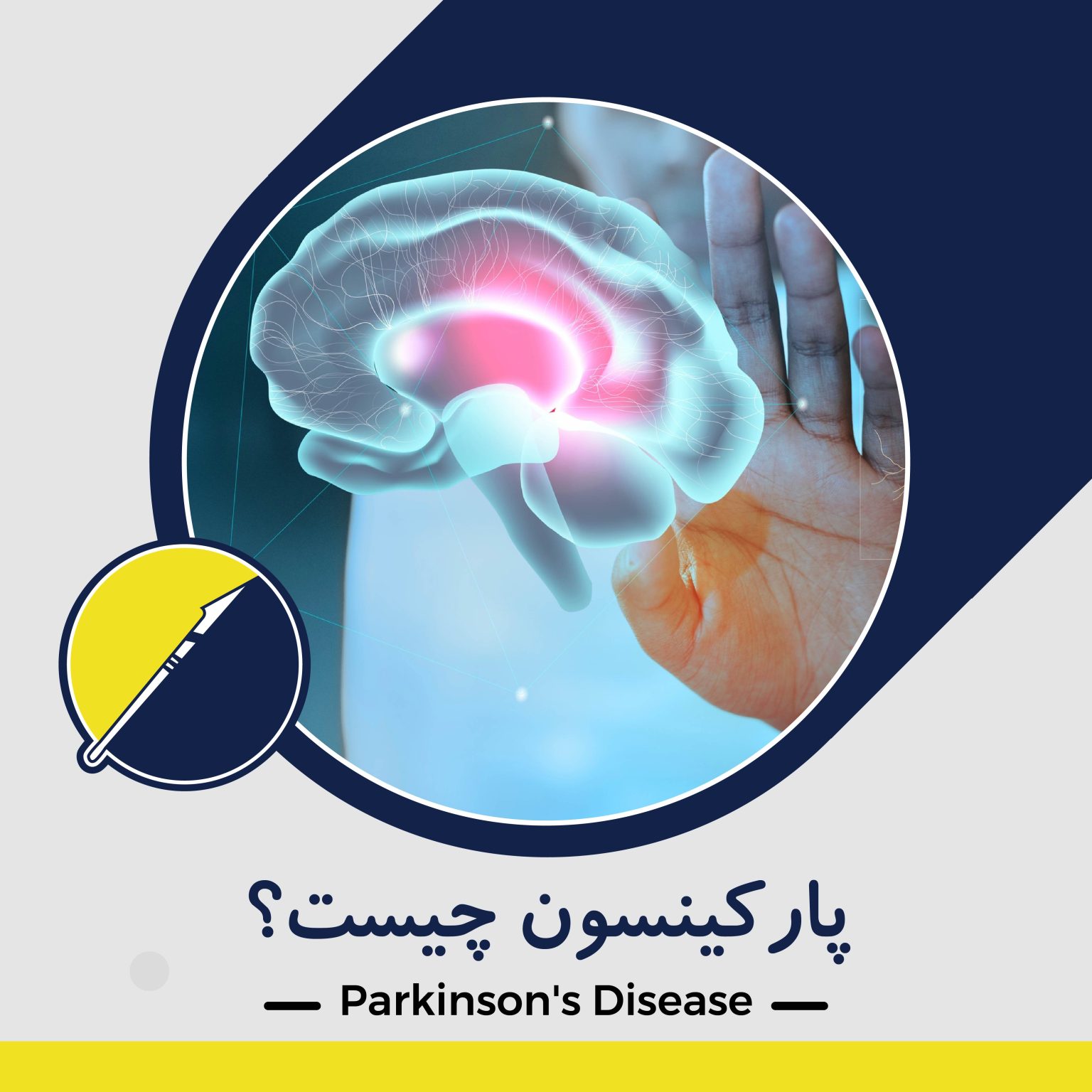
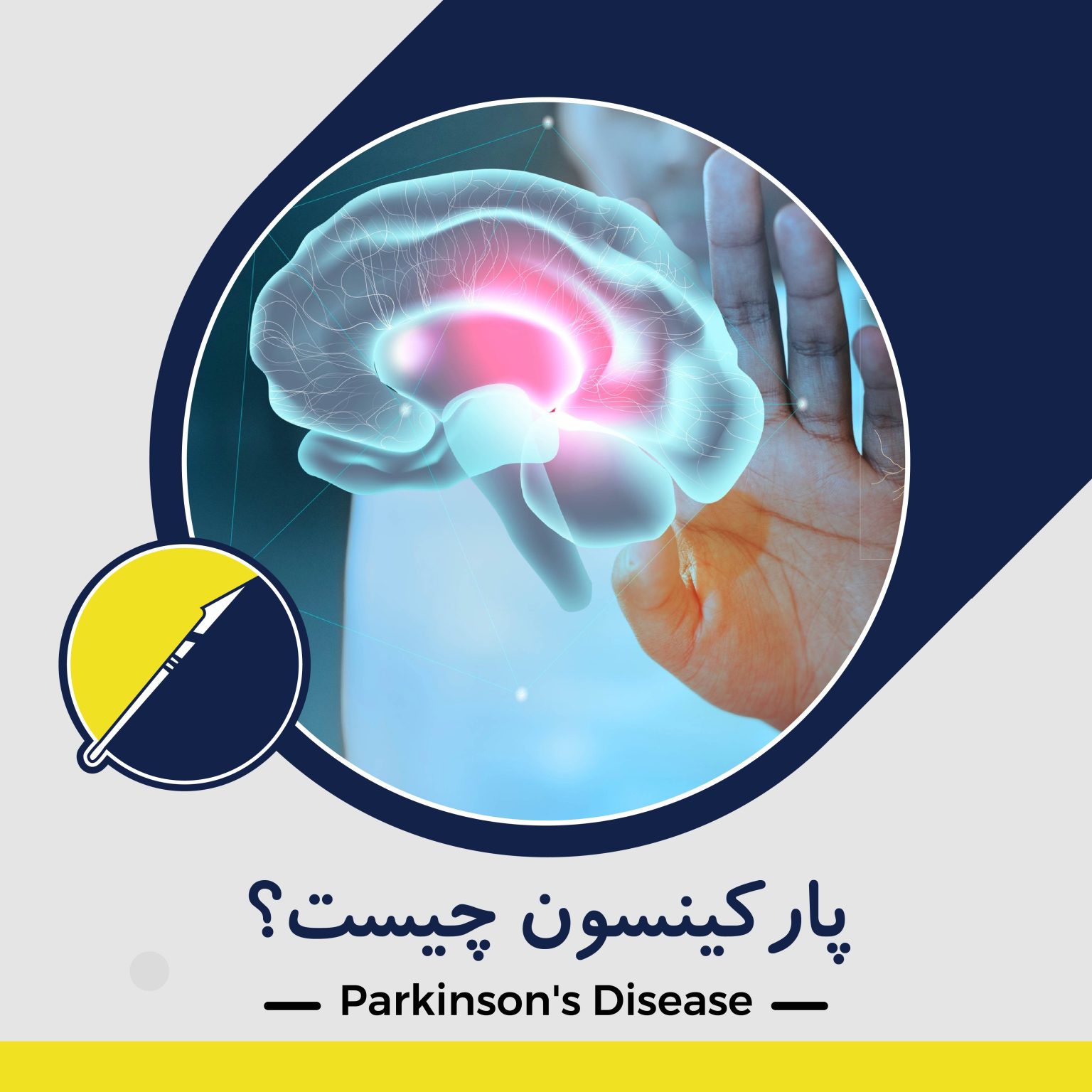


Parkinson’s is a neuromuscular disorder that occurs at ages over 60 as a result of the degeneration of the brain cells that produce dopamine (a neurotransmitter). Without dopamine, nerve cells cannot properly receive and send messages, which leads to a loss of muscle function.
Put more simply, nerve cells use a chemical called dopamine to control muscle movements. Parkinson’s disease develops when the dopamine-producing nerve cells in the brain are slowly destroyed.
Symptoms of the disease include

At first the symptoms are very mild; for example, you may have a tremor, especially in the hands and fingers, or muscle stiffness
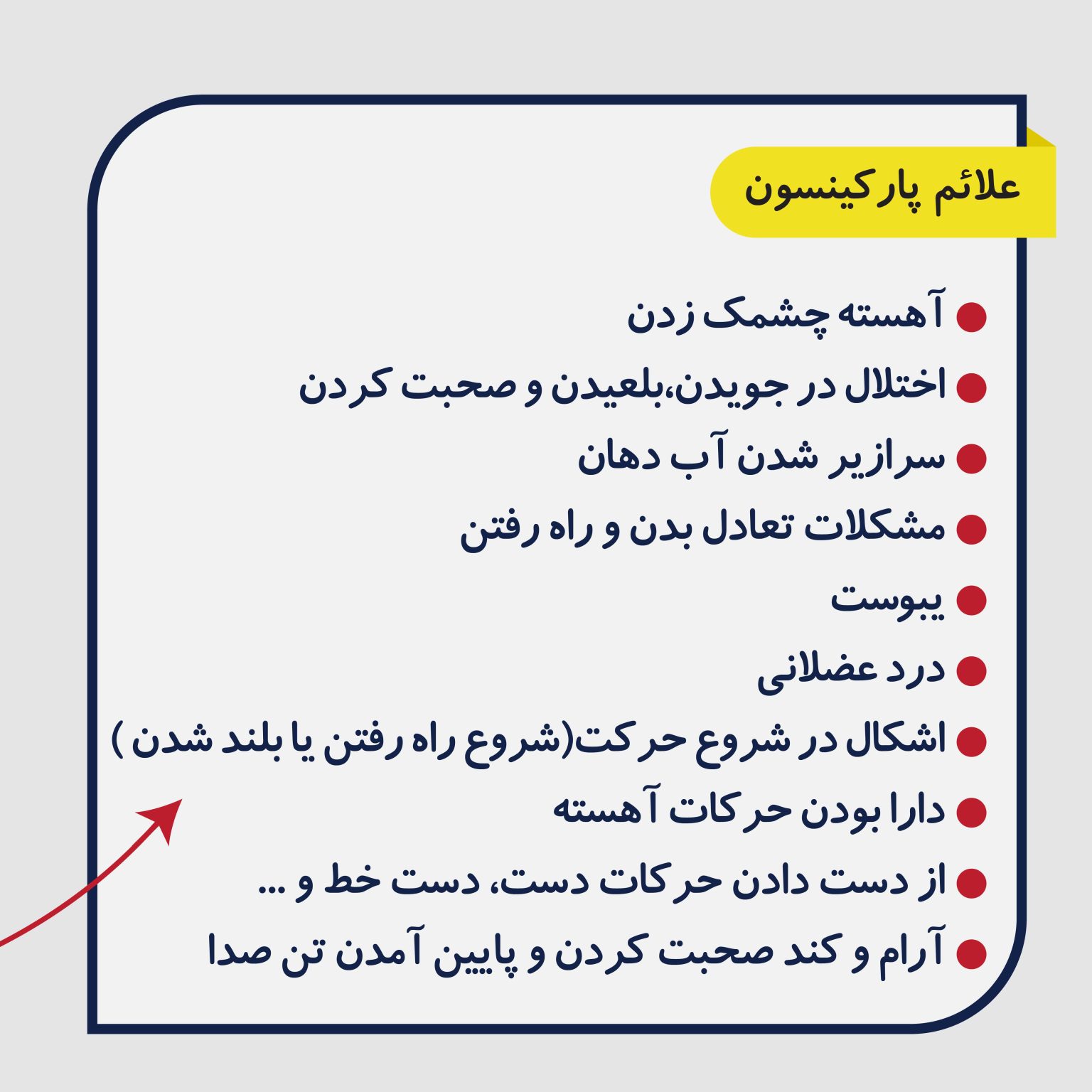
Symptoms may affect one or both sides of the body and include the following:
- Slow blinking
- Difficulty chewing, swallowing and speaking
- Drooling
- Problems with balance and walking
- Constipation
- Muscle pain
- Difficulty starting a movement, such as starting to walk or getting up from a chair
- Slow movements
- Loss of hand movements, handwriting, etc.
- Speaking softly and slowly, with a lowered voice
- And so on
Risk factors


Age: it most often occurs after the age of 50. Parkinson’s is one of the common diseases of the nervous system in older people. In some cases the disease has also been seen in young people, and it is very rare in children.
- Heredity and genetic variation
- A family history of Parkinson’s
- Sex: men are more likely to develop it than women
- Use of insecticides and pesticides
- Consumption of saturated fats
- Folic acid and B6 deficiency
Dietary therapy
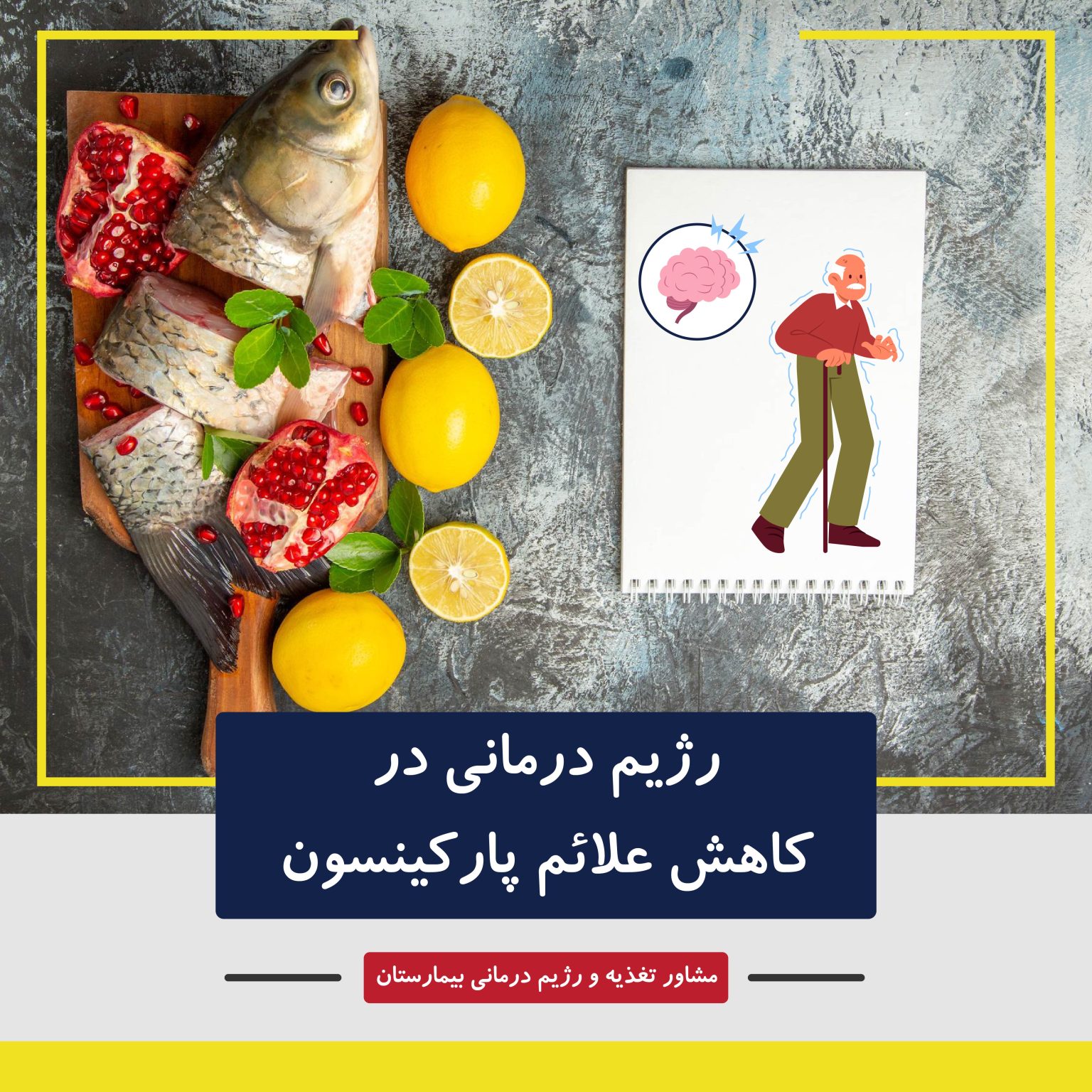






Because the amino acid phenylalanine helps reduce the symptoms of Parkinson’s disease, include foods that contain it, such as almonds, nuts, fish, walnuts, pumpkin, sesame, beans, chickpeas and lentils, in your diet.
Reduce dietary protein: avoid eating more protein-containing foods (red meat and white meat) than the recommended amount, because eating a lot of protein-rich food reduces the effect of the drug levodopa and makes constipation worse.
Instead of meat and poultry, use other protein sources such as barley, soya, beans and lentils.
Vitamin B6 may interfere with the effects of levodopa. If you take this drug, your intake of foods containing vitamin B6, such as bananas, fish, meat, liver, oats, peanuts, potatoes and cereals, must be carefully controlled.
Avoid broad beans (fava beans). Broad beans contain dopamine, and eating more than half a cup of them together with the daily dose of levodopa can cause dopamine toxicity
Try to eat neuroprotective foods regularly, such as red grapes, grape seeds, berries, turmeric, saffron, green tea and parsley.
Avoid having more than 2 servings of dairy a day.
Remember to increase the amount of fluid you drink each day
It is best to use probiotic products to reduce abdominal pain and constipation.
Eat at least one source of vitamin D during the week, such as salmon or products fortified with vitamin D
Ginkgo biloba: this extract is obtained from the dried leaves of the ginkgo tree, which is also native to Iran. Very beneficial effects have been seen from this plant, including improved blood circulation and oxygen supply for better brain function, fewer leg cramps, less tremor and shaking, and a greater sense of well-being
Physical activity and moderate daily exercise, such as walking, jogging, swimming and stretching, can help keep the muscles working normally and support the heart’s pumping.