
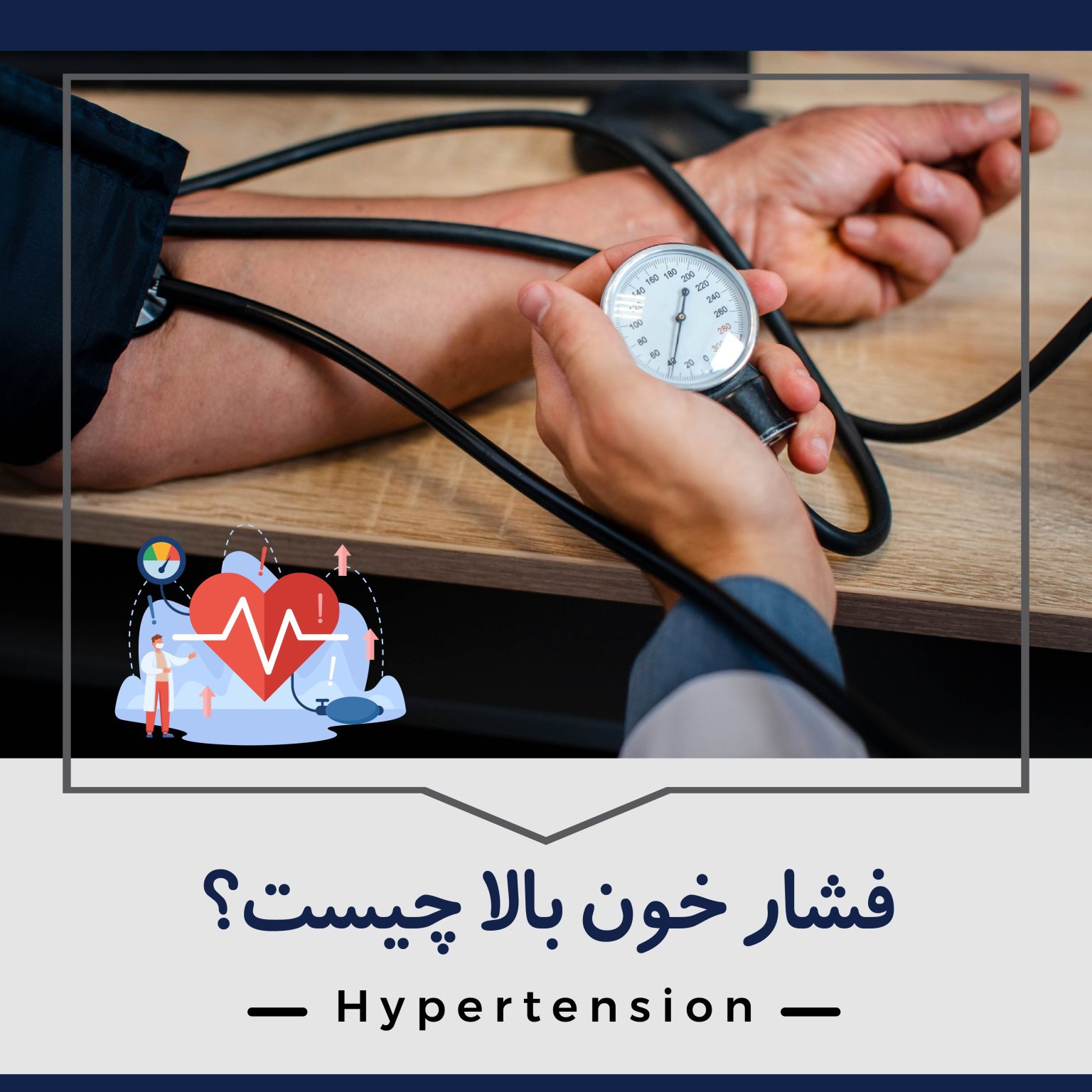
High blood pressure is an increase in the pressure exerted by the flow of blood on the walls of the blood vessels. Blood pressure naturally rises with stress and physical activity, but in a person who has high blood pressure, it is above normal even at rest.
Symptoms of high blood pressure
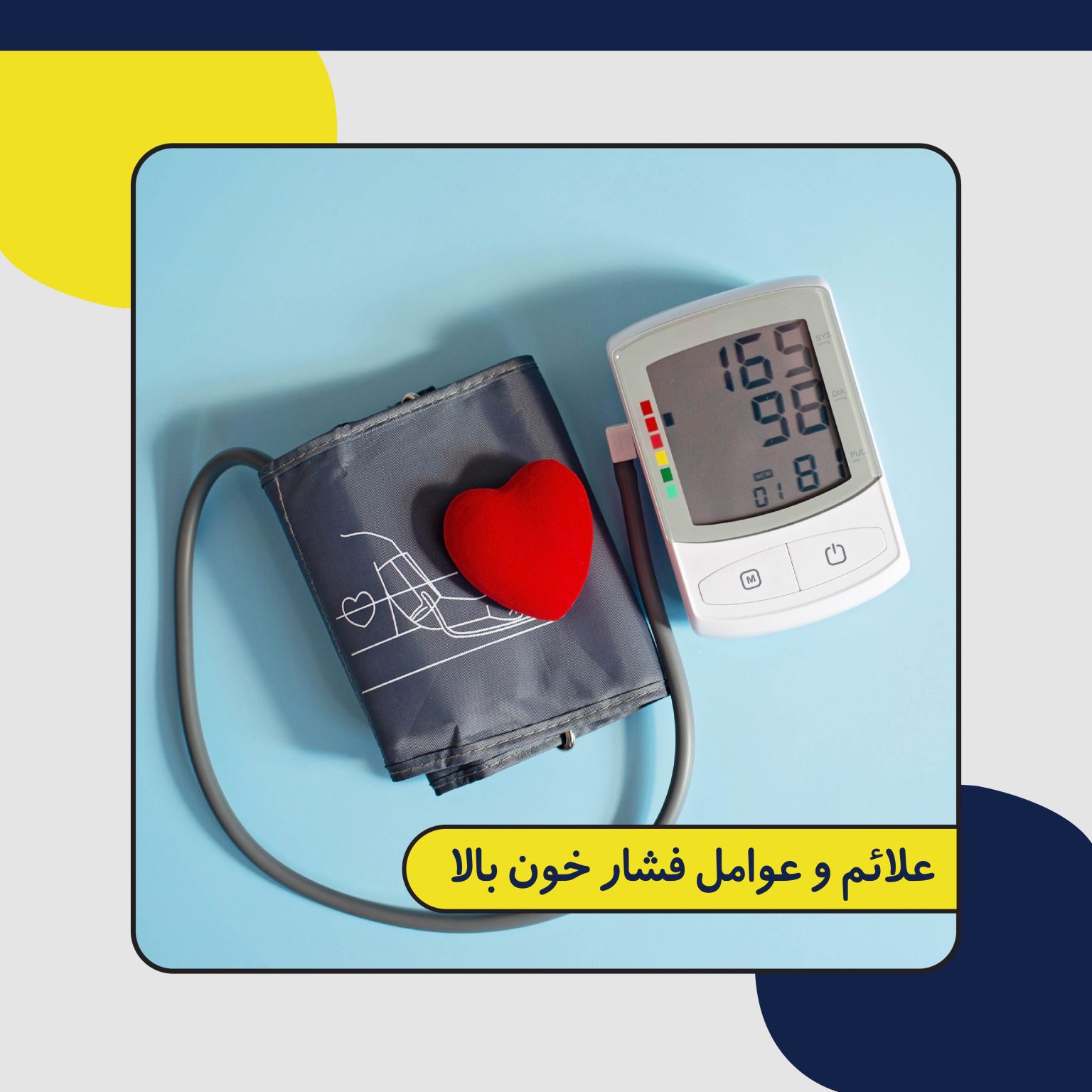
Many people with high blood pressure do not feel ill and their general health is good; only when blood pressure rises very high do headaches, and sometimes shortness of breath and nosebleeds, occur.
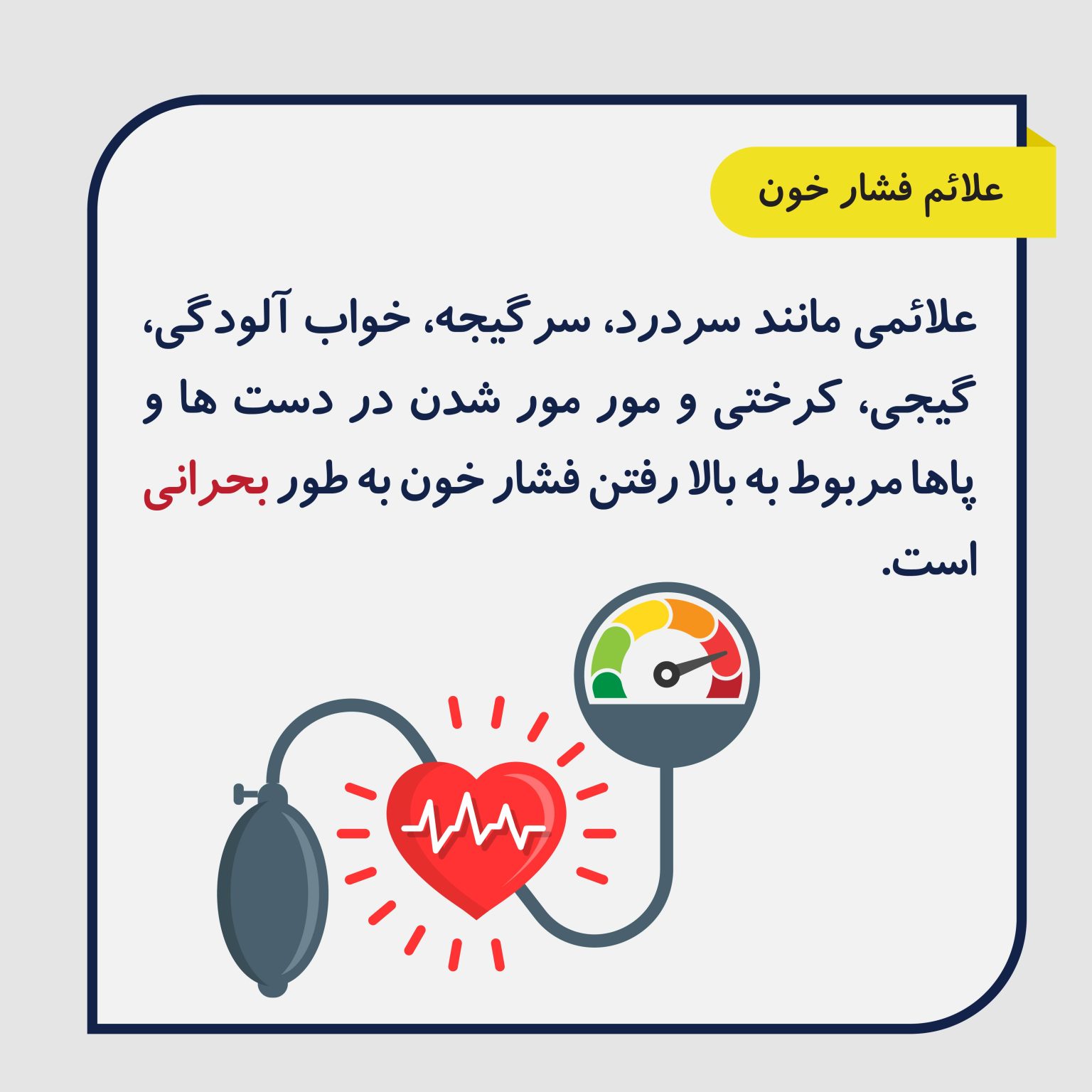
Symptoms such as headache, dizziness, drowsiness, confusion, and numbness and tingling in the hands and feet are associated with a critical rise in blood pressure.
Factors that contribute to high blood pressure
Stress, ageing, obesity and excess weight, smoking, a high-salt diet, alcohol consumption
Preventing high blood pressure
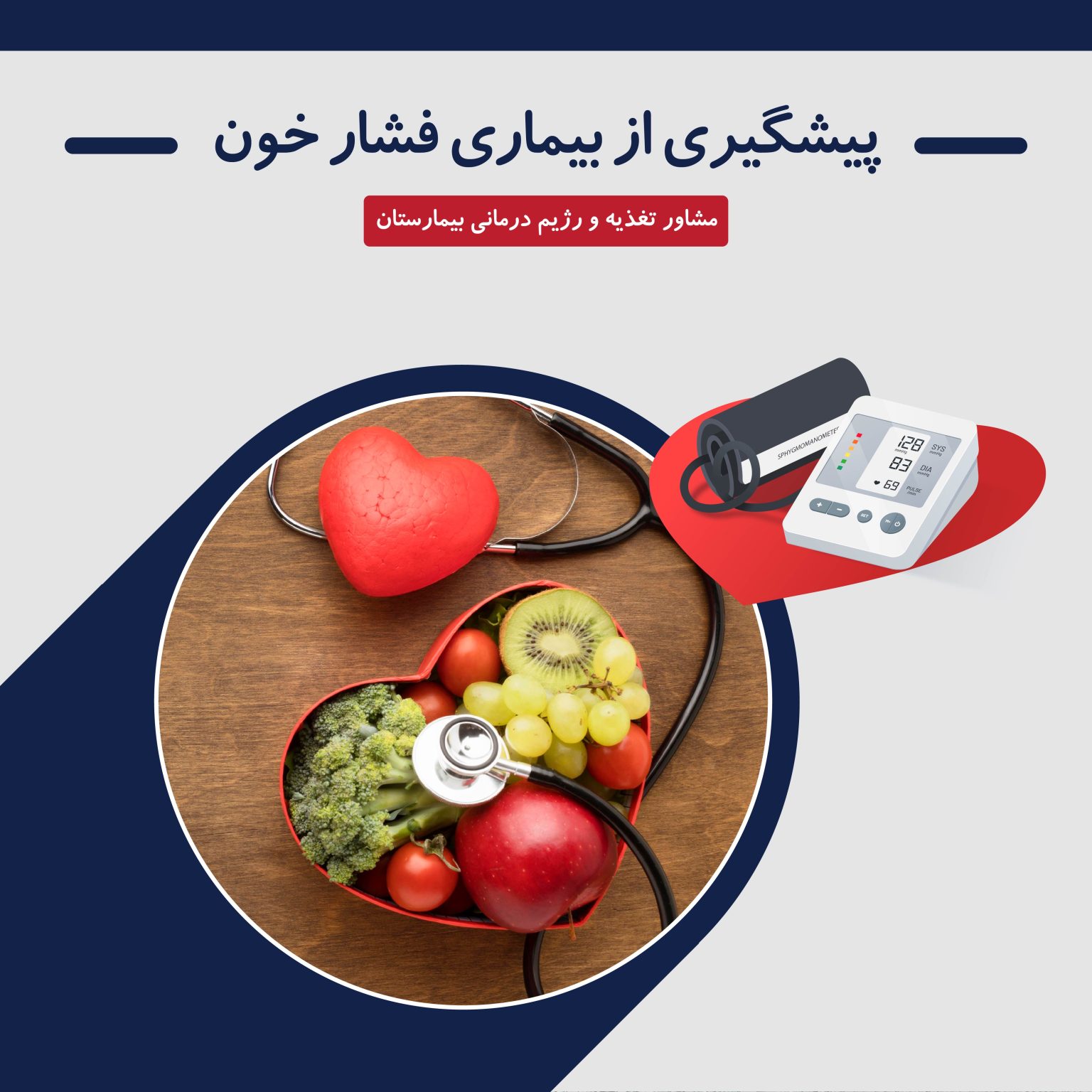
Limiting your sodium intake, following a healthy diet and exercising can help prevent this disease.
Prevent your blood pressure from rising by adding the following to your diet:
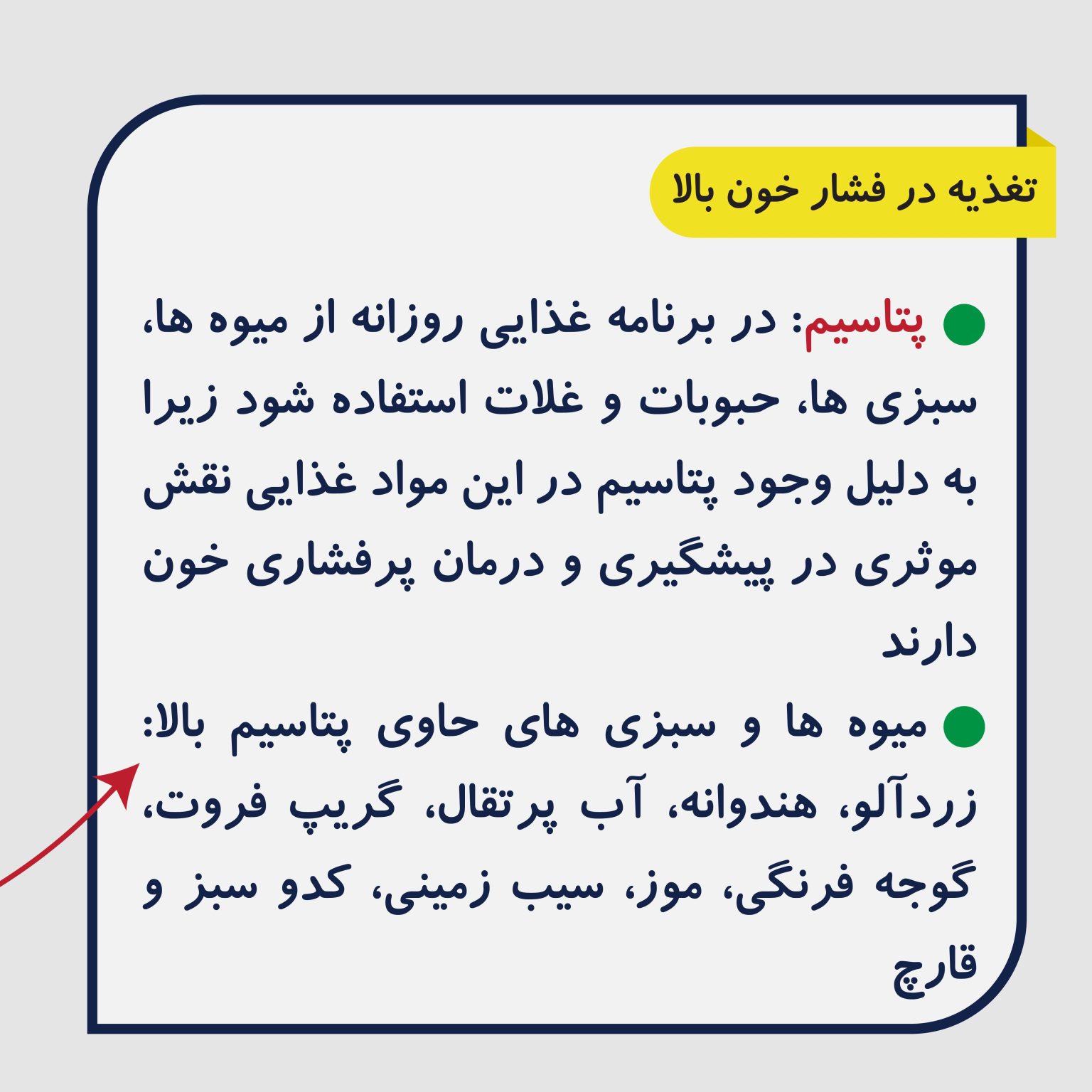
Potassium: include fruits, vegetables, legumes and grains in your daily diet, because the potassium in these foods gives them an effective role in preventing and treating hypertension
Fruits and vegetables high in potassium: apricots, watermelon, orange juice, grapefruit, tomatoes, bananas, potatoes, courgettes and mushrooms
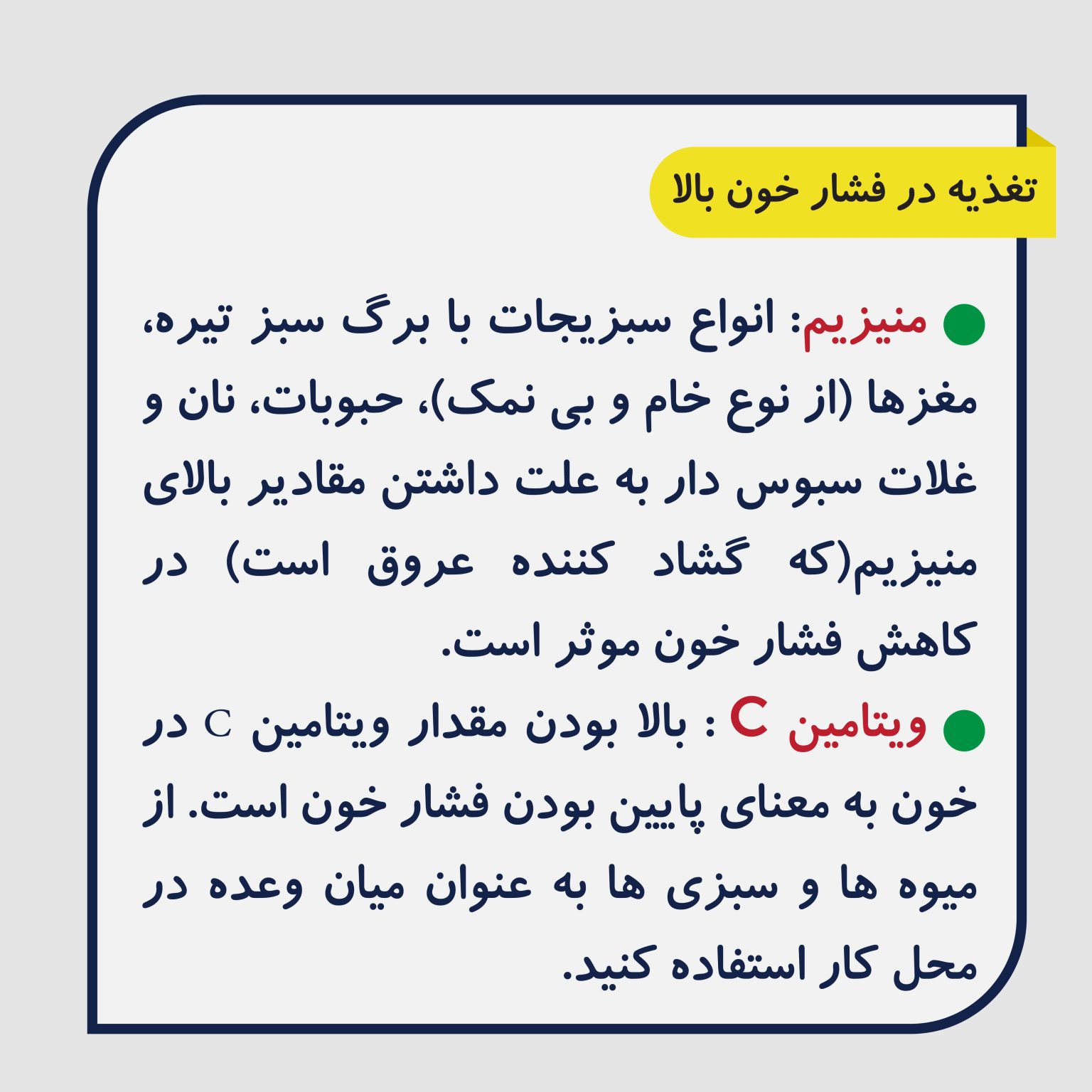
Magnesium: dark green leafy vegetables, nuts (raw and unsalted), legumes, and wholegrain bread and cereals help lower blood pressure because of their high magnesium content (magnesium widens the blood vessels).
Vitamin C: a high level of vitamin C in the blood means lower blood pressure. Eat fruits and vegetables as snacks at work.
Calcium: calcium plays a role in lowering blood pressure because it helps expel sodium from the body. Getting enough calcium from milk and low-fat dairy products is therefore recommended.
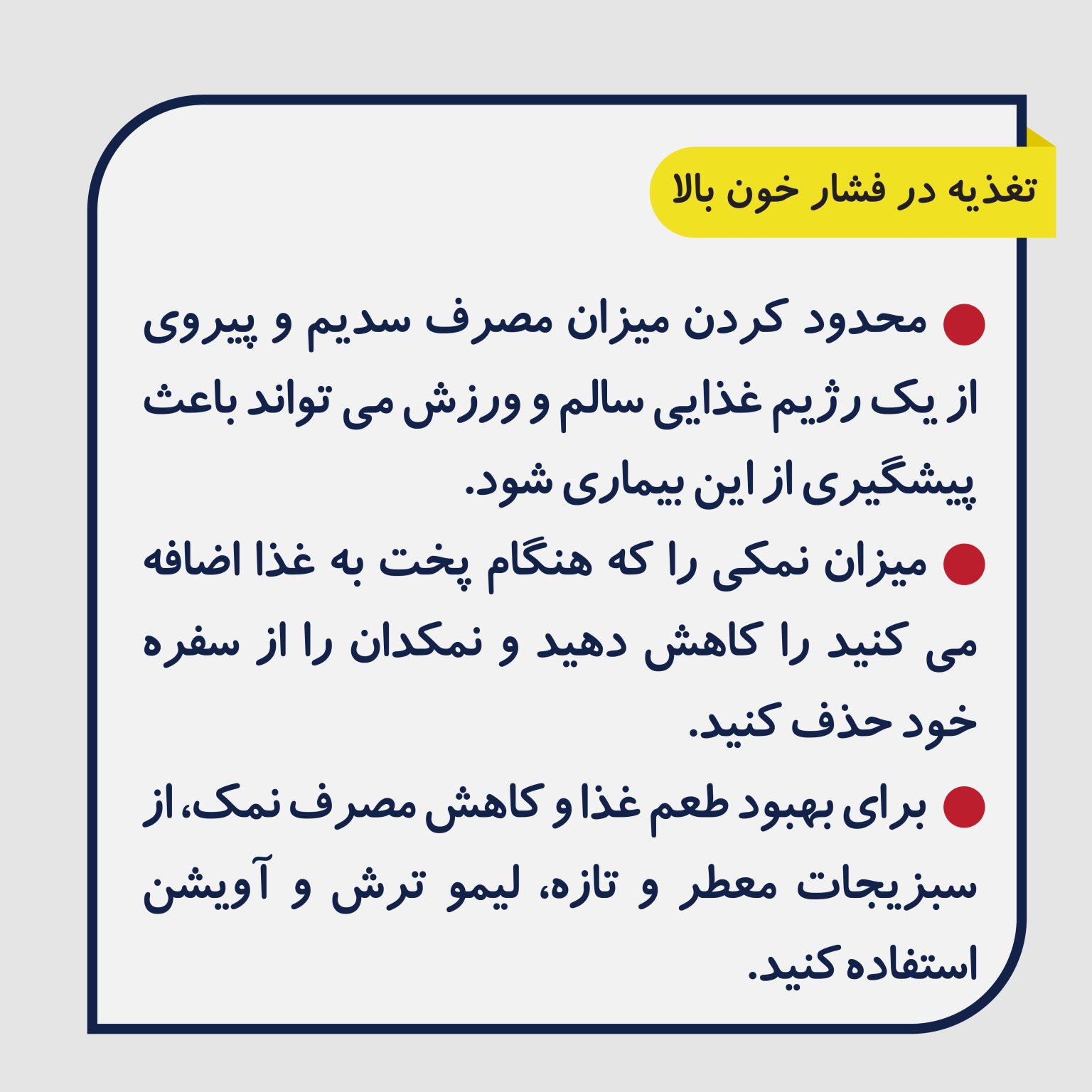
- Reduce the amount of salt you add to food while cooking, and take the salt shaker off your table.
- To improve the flavour of food and cut down on salt, use fresh aromatic herbs, lemon and thyme.
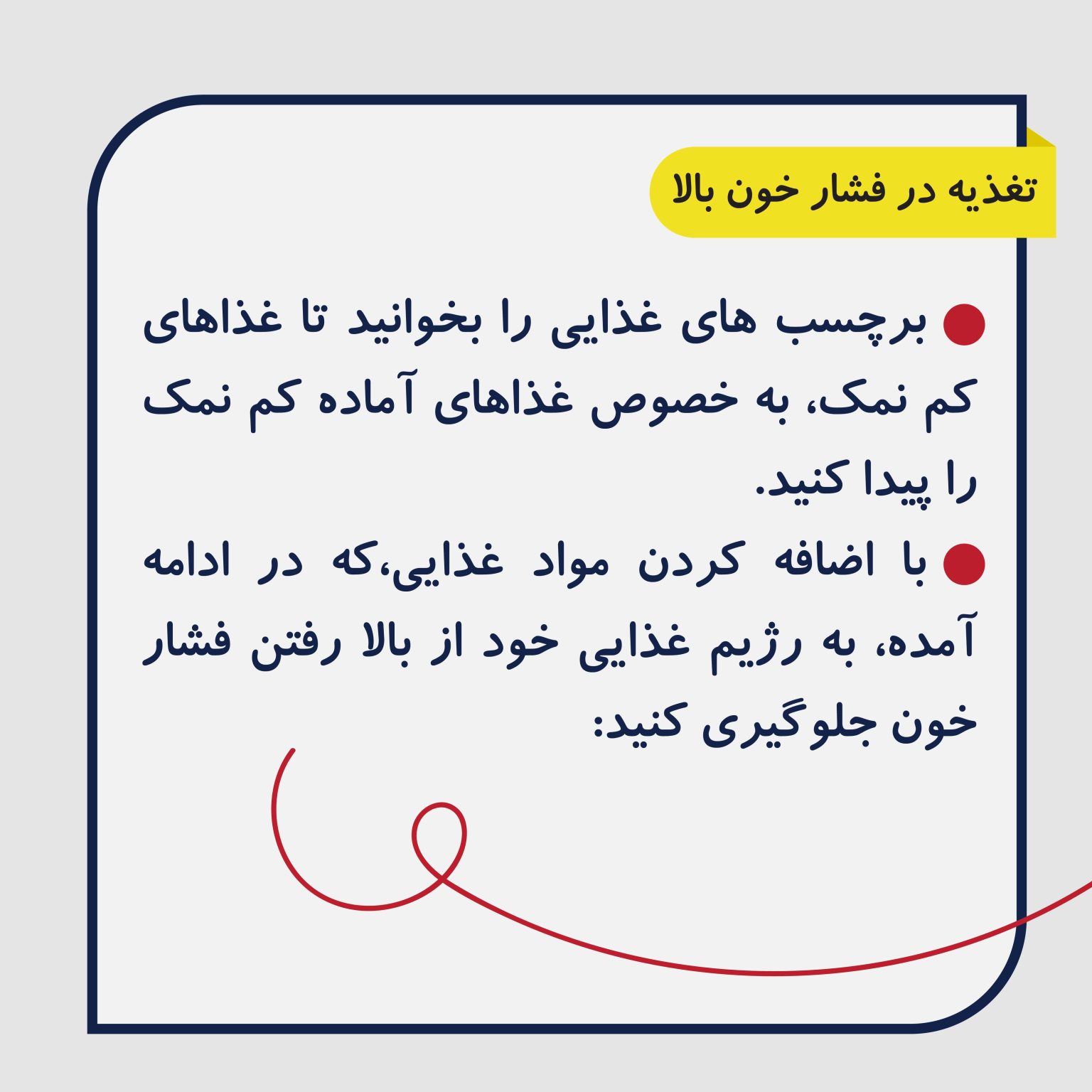
- Read food labels to find low-salt foods, especially low-salt ready-made foods.
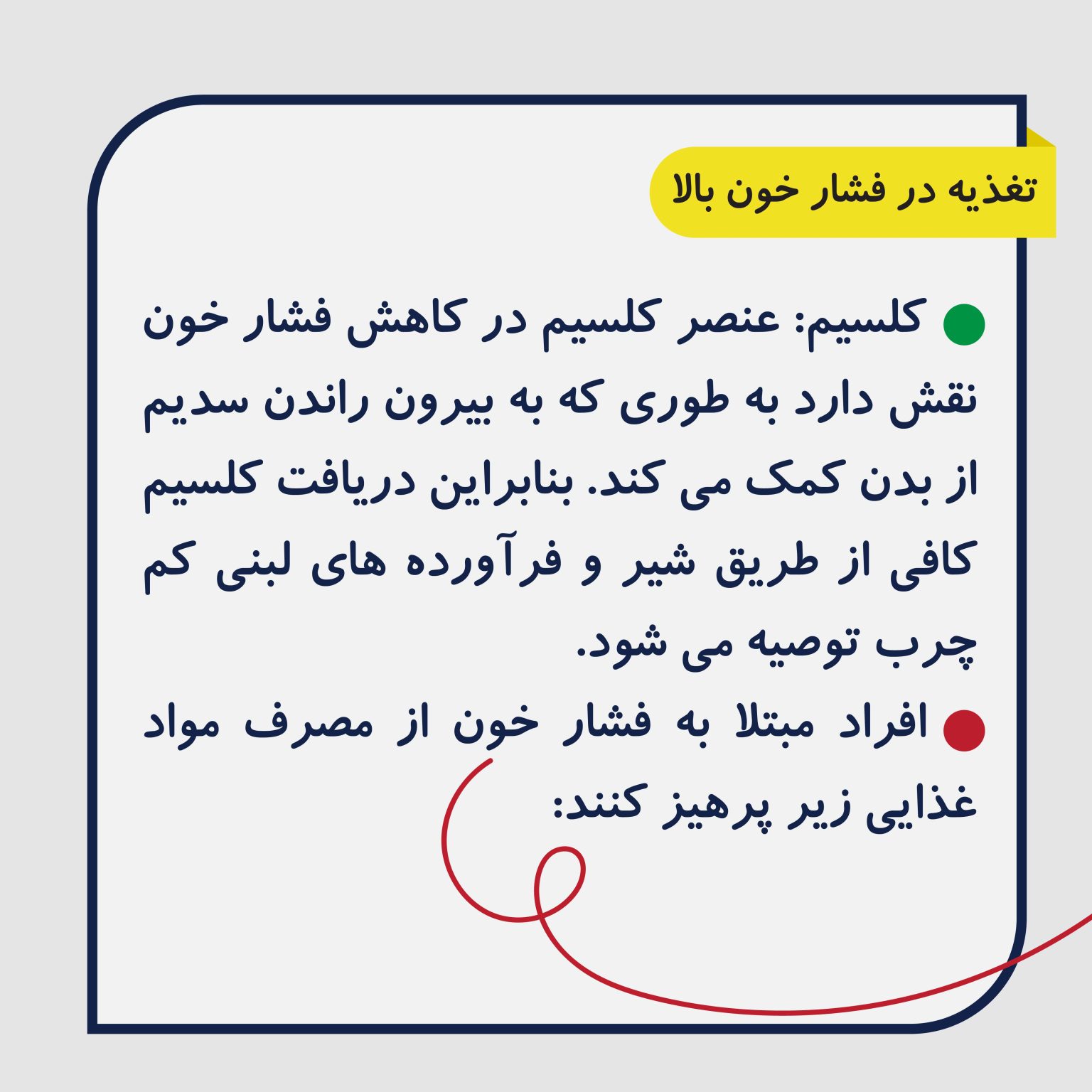
People with high blood pressure should avoid the following foods:
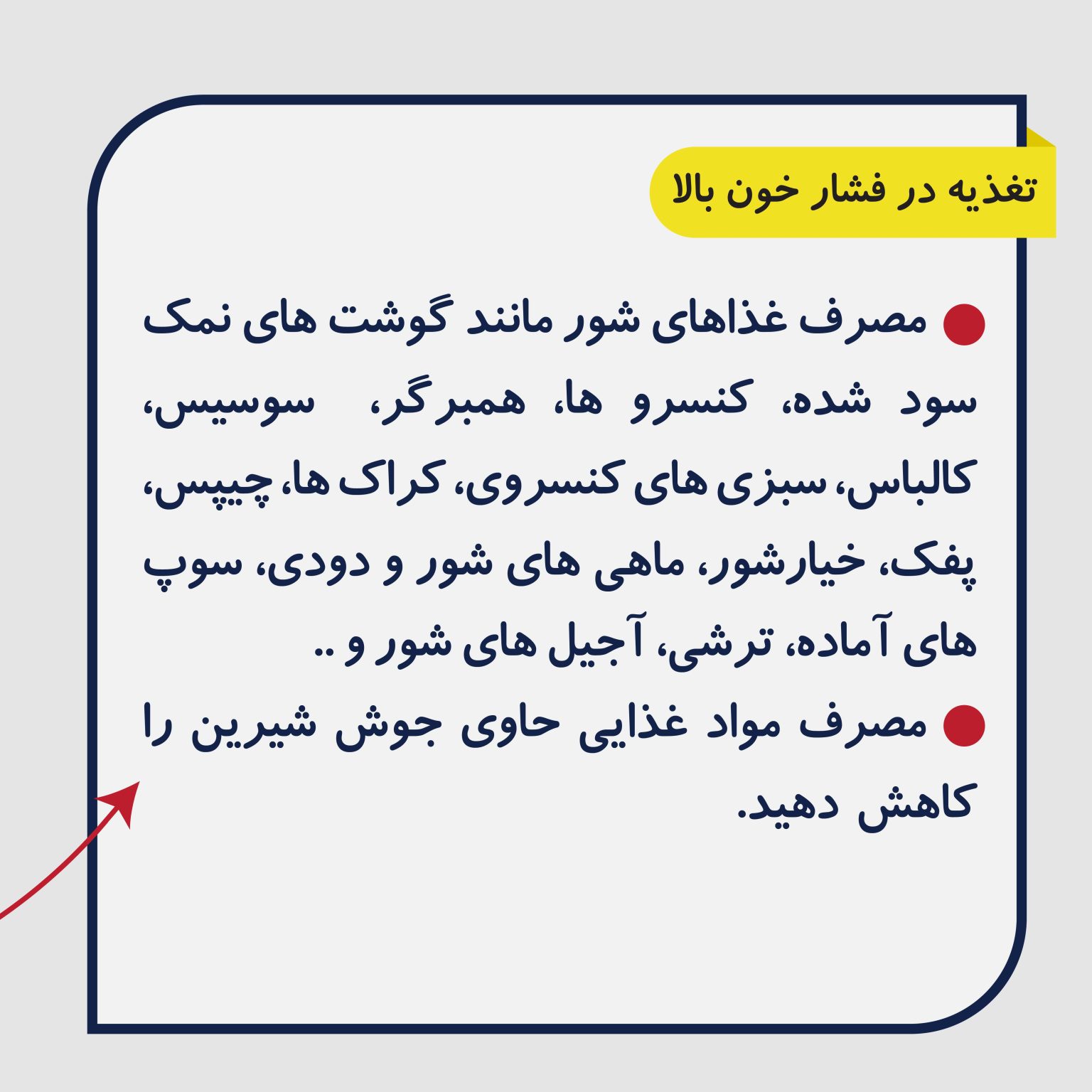
Cut down on salty foods (salted meats, canned foods, hamburgers, sausages, cold cuts, canned vegetables, crackers, crisps, cheese puffs, pickled cucumbers, salted and smoked fish, instant soups, pickles, salted nuts, etc.).
Cut down on foods that contain baking soda.
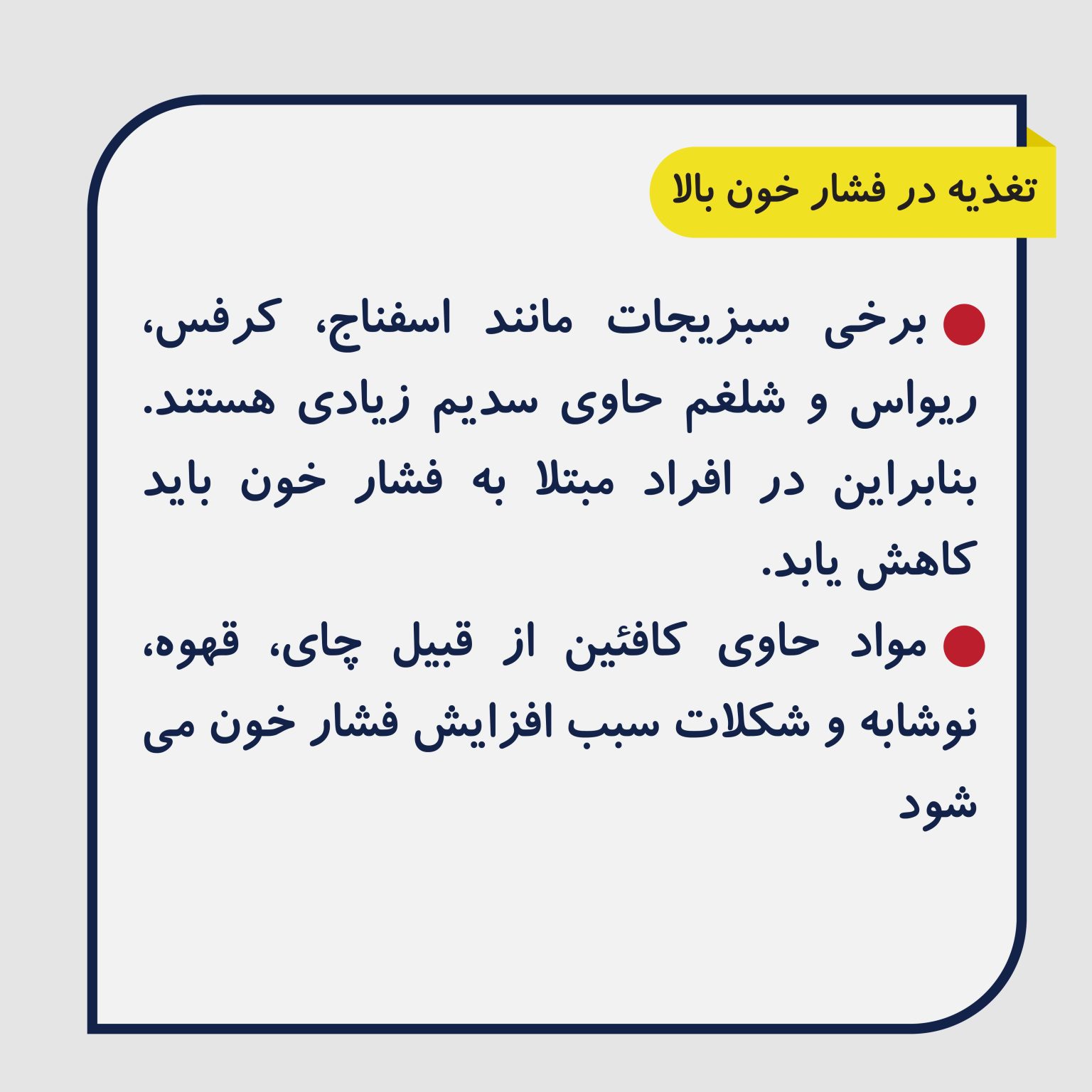
Some vegetables, such as spinach, celery, rhubarb and turnips, contain a lot of sodium, so people with high blood pressure should eat less of them.
Products that contain caffeine, such as tea, coffee, soft drinks and chocolate, raise blood pressure.