
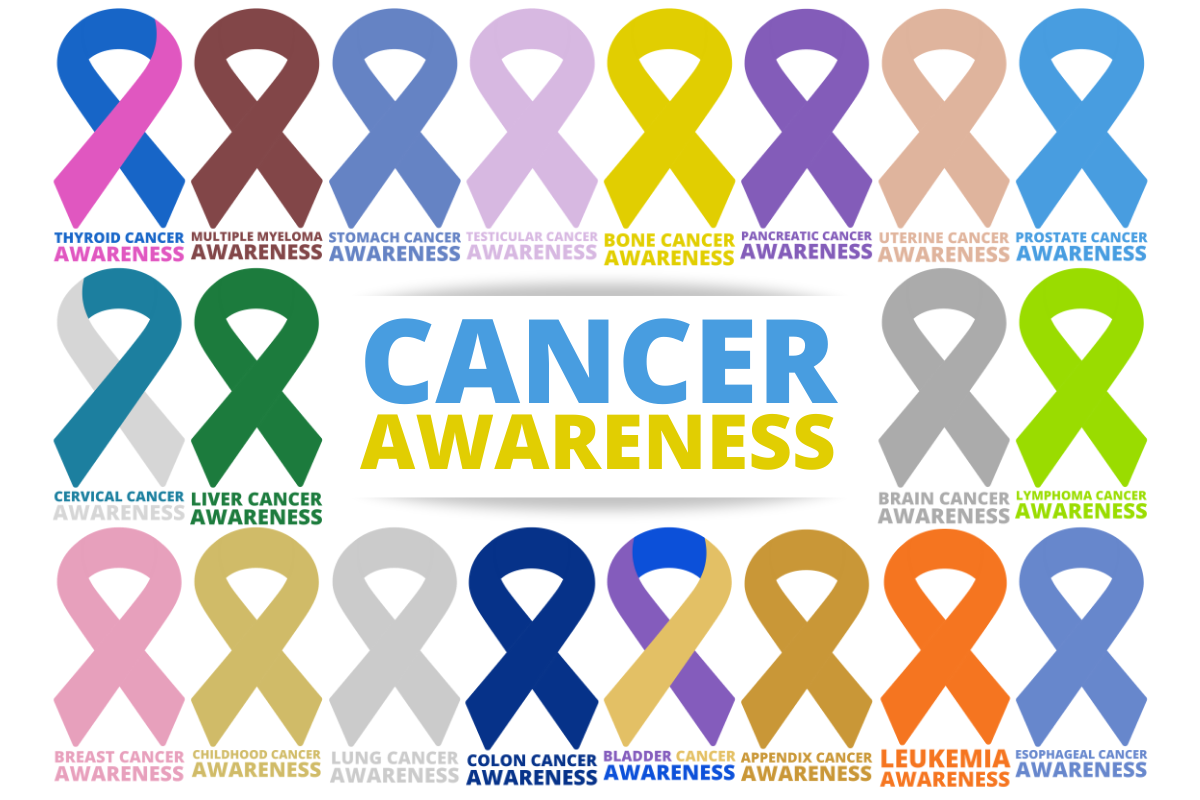
What Is Cancer?
Cancer is a group of diseases that arise from the uncontrolled proliferation of abnormal cells. Cancerous cells escape the natural mechanisms that regulate cell division and growth. Although the exact cause of this phenomenon is unknown, genetic factors or external elements that disrupt cellular activity are believed to contribute to mutations within the cell nucleus. These factors include ionizing radiation, chemical and toxic substances, and excessive exposure to sunlight. In a healthy body, a balance exists between cell division, natural cell death, and cellular differentiation.
Research has shown that non-genetic imbalance in proteins may lead to uncontrolled tumor growth. Scientists have discovered that two proteins, Plcy1 and Grb2, compete to bind to the Akt pathway. The binding of Plcy1 increases cellular proliferation, while Grb2 regulates and suppresses it. When Grb2 is deficient, the likelihood of uncontrolled cell division and cancerous transformation increases.
Tumors are categorized into two types:
- Malignant tumors, which grow rapidly and invade surrounding tissues through the lymphatic system or bloodstream.
- Benign tumors, which do not spread but may enlarge and cause complications, especially in the brain.
The risk of cancer increases with age. Cancer accounts for approximately 13% of global deaths. According to the Pan American Health Organization, 7.6 million people died from cancer in 2007. Cancer is not limited to humans; all multicellular organisms can develop cancer.
Incidence and mortality rates vary across the globe. For instance, the mortality rate from stomach cancer in Japan is 7–8 times higher than in the United States, while lung cancer mortality in the U.S. is nearly twice that of Japan. Melanoma, a form of skin cancer, is six times more common in New Zealand compared to Iceland due to varying levels of sun exposure.
Most ovarian cancers originate from a single cell that undergoes cumulative genetic and epigenetic mutations, resulting in uncontrolled cell division, genomic instability, resistance to apoptosis, invasive ability, metastatic potential, and new blood vessel formation.
Breast cancer in women and prostate cancer in men remain among the most common cancer types. Lung cancer rates are rising among women. Cancers of the esophagus related to acid reflux caused by obesity are increasing. Head and neck cancers associated with certain viruses transmitted primarily through oral sexual activity are also becoming more common.
Increasing life expectancy contributes to a higher number of individuals susceptible to cancer. However, lifestyle modifications—such as weight control and smoking cessation—can greatly reduce cancer risk.
According to researchers, lifetime cancer risk can be reduced from 50% to 30% with a healthy lifestyle. Studies also show a relationship between height and cancer risk: every 10 cm increase in height raises cancer risk by 18% in women and 11% in men.
Risk Factors for Cancer
The World Health Organization identifies obesity as one of the most significant cancer risk factors in developed countries. In 2012, obesity accounted for 481,000 cancer cases, particularly among women.
Smoking remains the leading cause of lung cancer, responsible for nearly 90% of cases.
Alcohol consumption increases the risk of cancers of the mouth, throat, esophagus, and liver.
Sugar plays a role because cancer cells consume glucose at higher rates and proliferate more quickly.
Meat consumption
- Red meat is classified as a Group 2 carcinogen.
- Processed meats fall into Group 1 carcinogens.
- High-temperature cooking can produce carcinogenic compounds.
- Fish may contain mercury, which can increase cancer risk.
- Dairy products, eggs, and growth hormones used in livestock may also elevate risk.
Radiation, such as ultraviolet rays, increases the risk of skin cancer.
Infections, such as HPV, cause cervical cancer. Oral bacteria have also been linked to cancers of the head and neck.
Danish researchers have identified a protein that assists the enzyme ADAM17 in promoting cancer cell growth, which may become a future therapeutic target.
Prevention
Early diagnosis is one of the major challenges in cancer control. Swedish researchers have developed a blood test capable of detecting 96% of cancer cases and identifying the cancer type with 71% accuracy.
Primary prevention strategies include:
- Avoiding tobacco use
- Following a healthy diet
- Avoiding exposure to carcinogens such as asbestos, ionizing radiation, and excessive sunlight
- Regular physical activity—studies show that running may reduce tumor size by up to 50%
- Avoiding high-risk sexual behaviors
- Maintaining proper oral and dental hygiene
Studies estimate that 70–90% of cancers are linked to lifestyle and environmental factors, meaning most cancers are preventable through healthy behaviors.