
Features of a healthy, nutritious suhoor meal
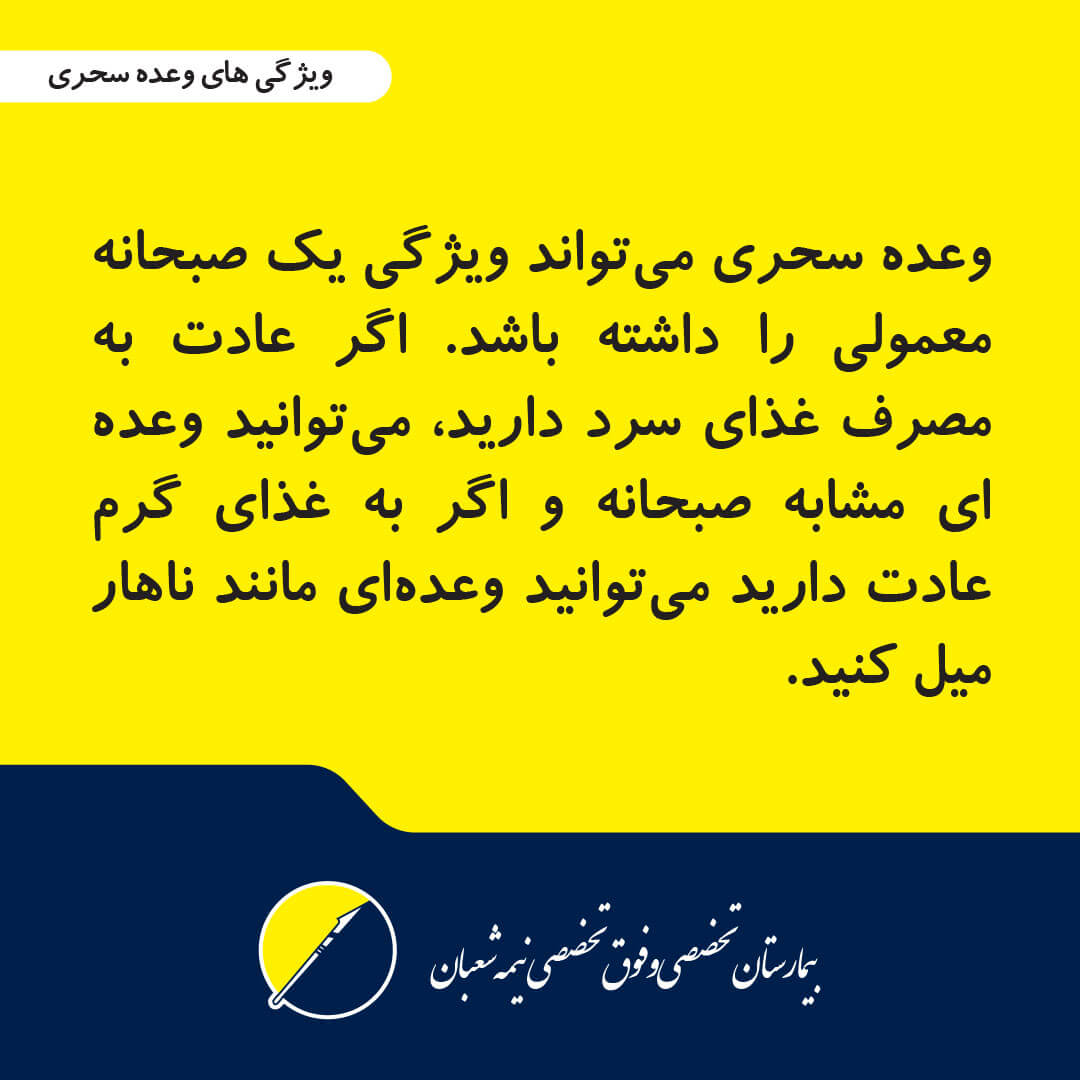
Despite the benefits of fasting for the body, long fasts without water and food and not following a suitable diet can lead to complications such as headache, dizziness and weakness. Eating a nourishing, healthy meal at suhoor (the pre-dawn meal) can keep these complications to a minimum. The suhoor meal can have the character of an ordinary breakfast. If you are used to eating cold food, you can have a meal similar to breakfast, and if you are used to hot food, you can have a meal like lunch.
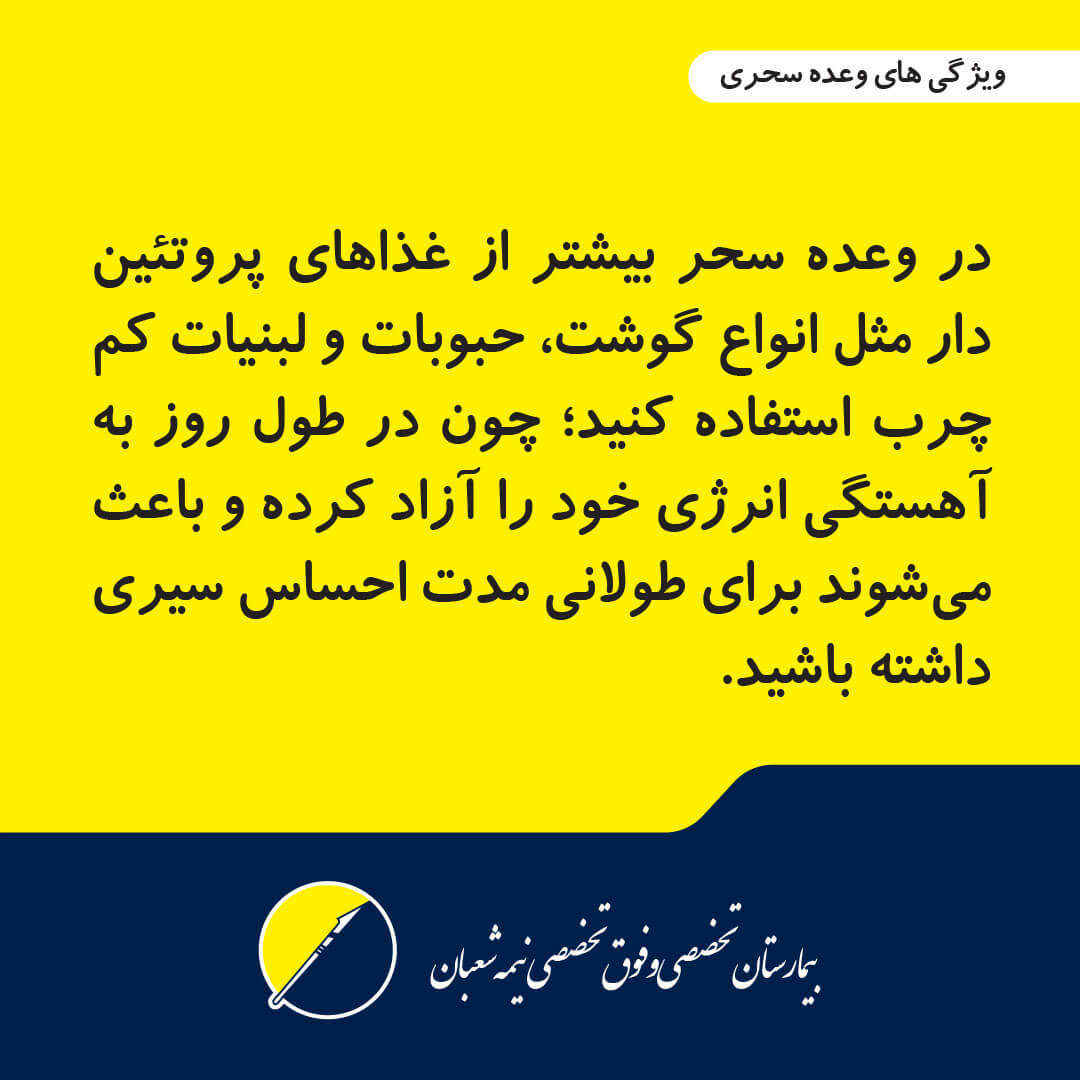
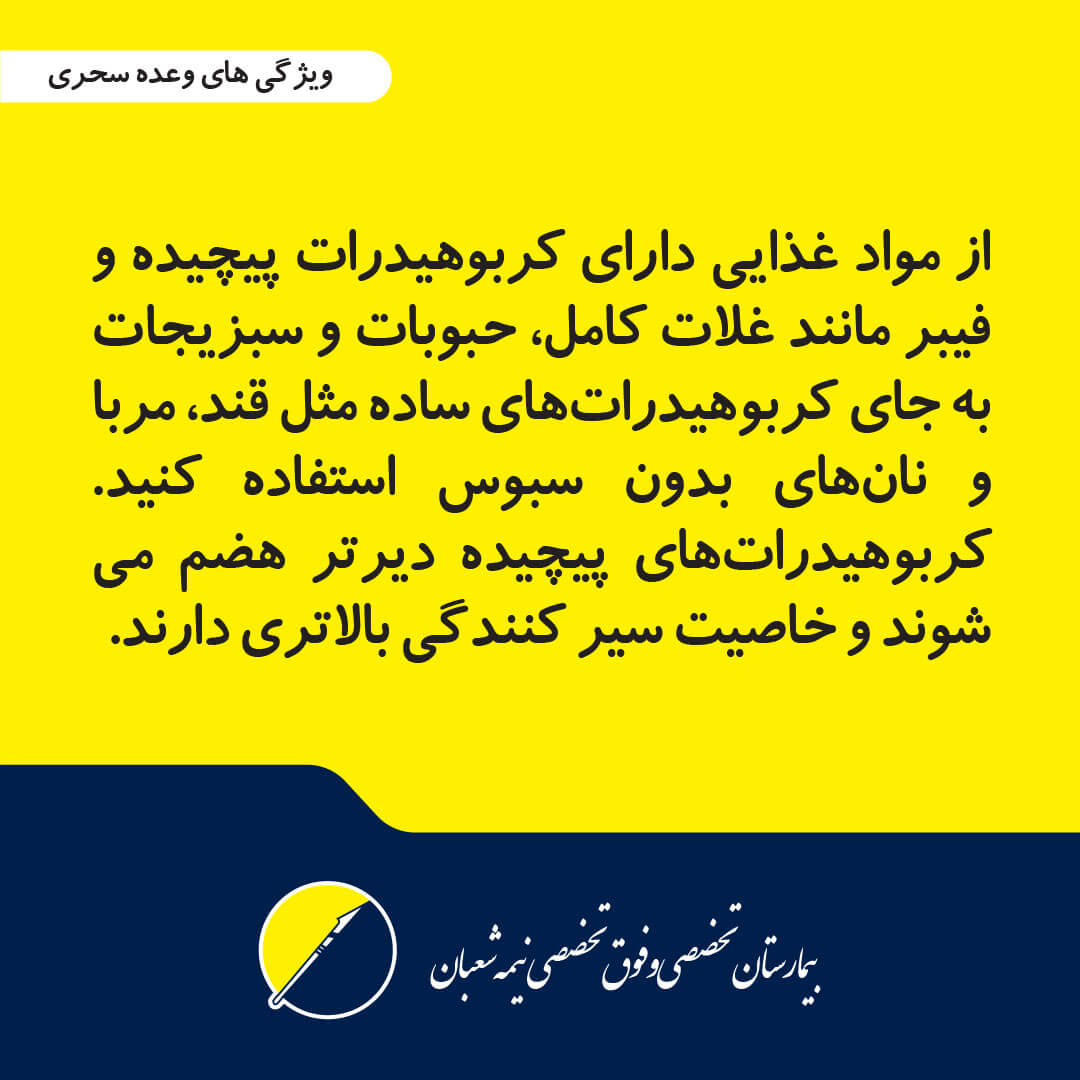
At suhoor, eat mostly protein-rich foods such as meats, legumes and low-fat dairy, because they release their energy slowly during the day and help you feel full for a long time. Use foods that contain complex carbohydrates and fibre, such as whole grains, legumes and vegetables, instead of simple carbohydrates such as sugar, jam and bran-free bread. Complex carbohydrates are digested more slowly and are more filling.
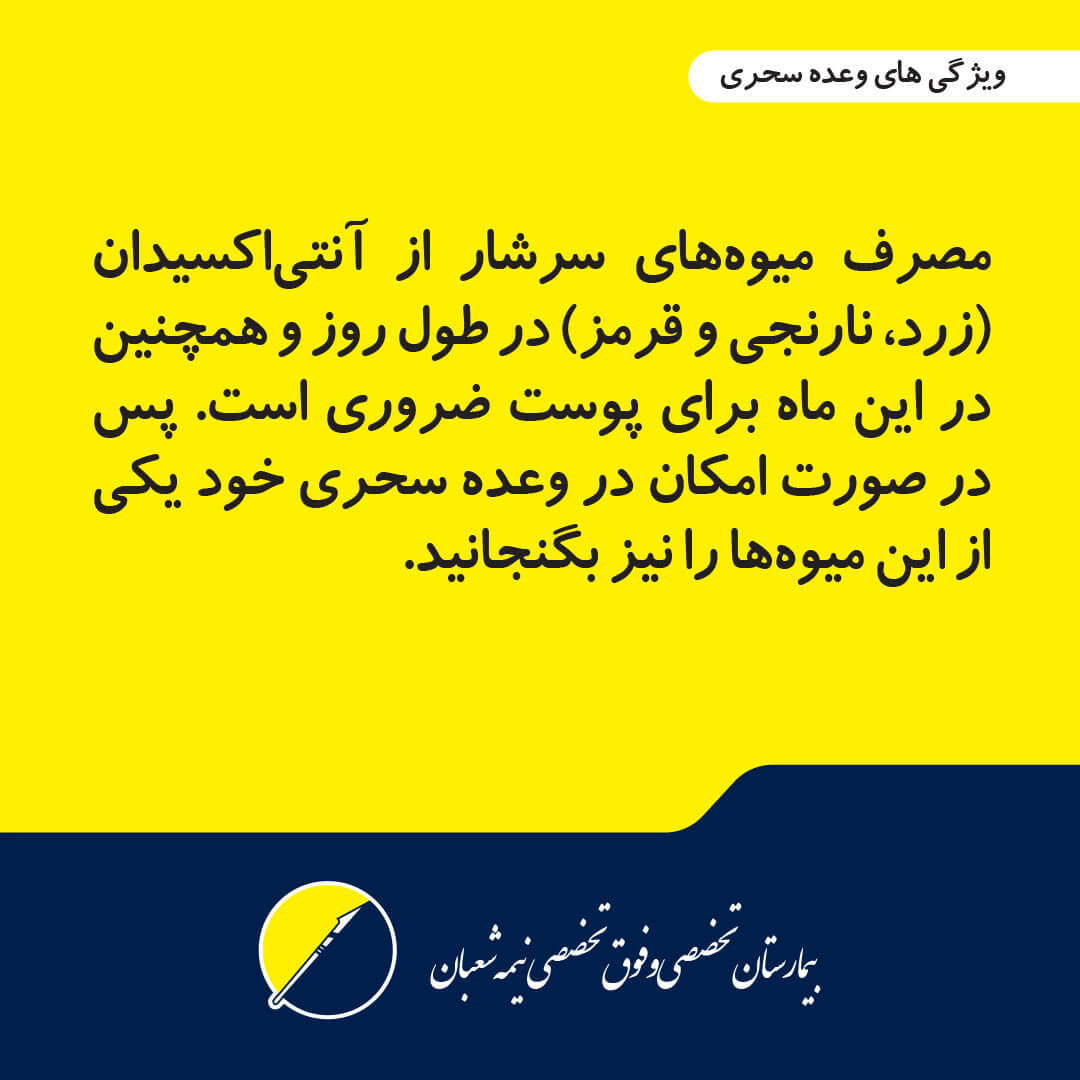
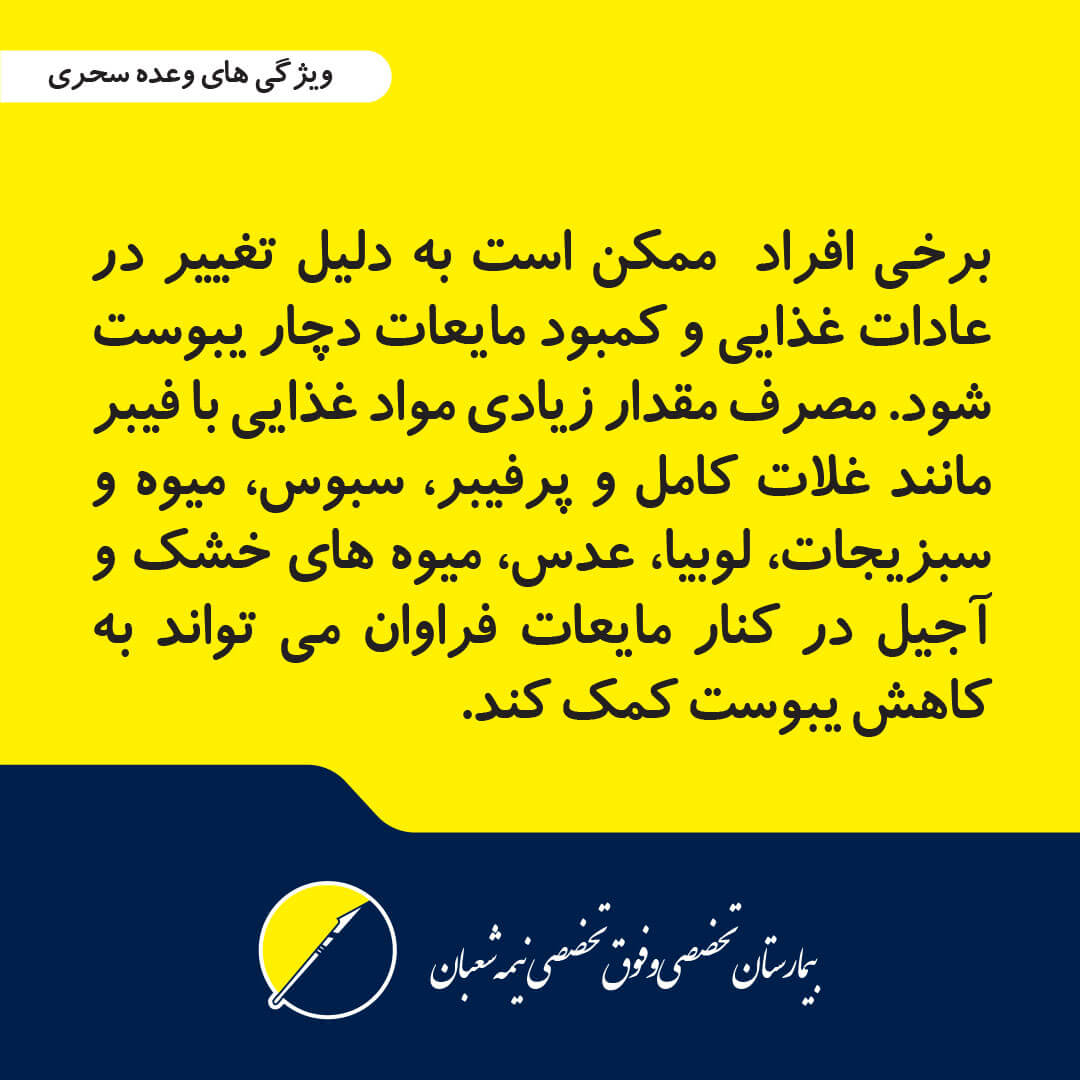
Eating fruits rich in antioxidants (yellow, orange and red) during the day, and also in this month, is essential for the skin. So, if possible, include one of these fruits in your suhoor meal. Some people may become constipated because of changes in eating habits and a lack of fluids. Eating plenty of high-fibre foods such as whole and high-fibre grains, bran, fruit and vegetables, beans, lentils, dried fruit and nuts, along with plenty of fluids, can help reduce constipation.
Important tips for the iftar meal
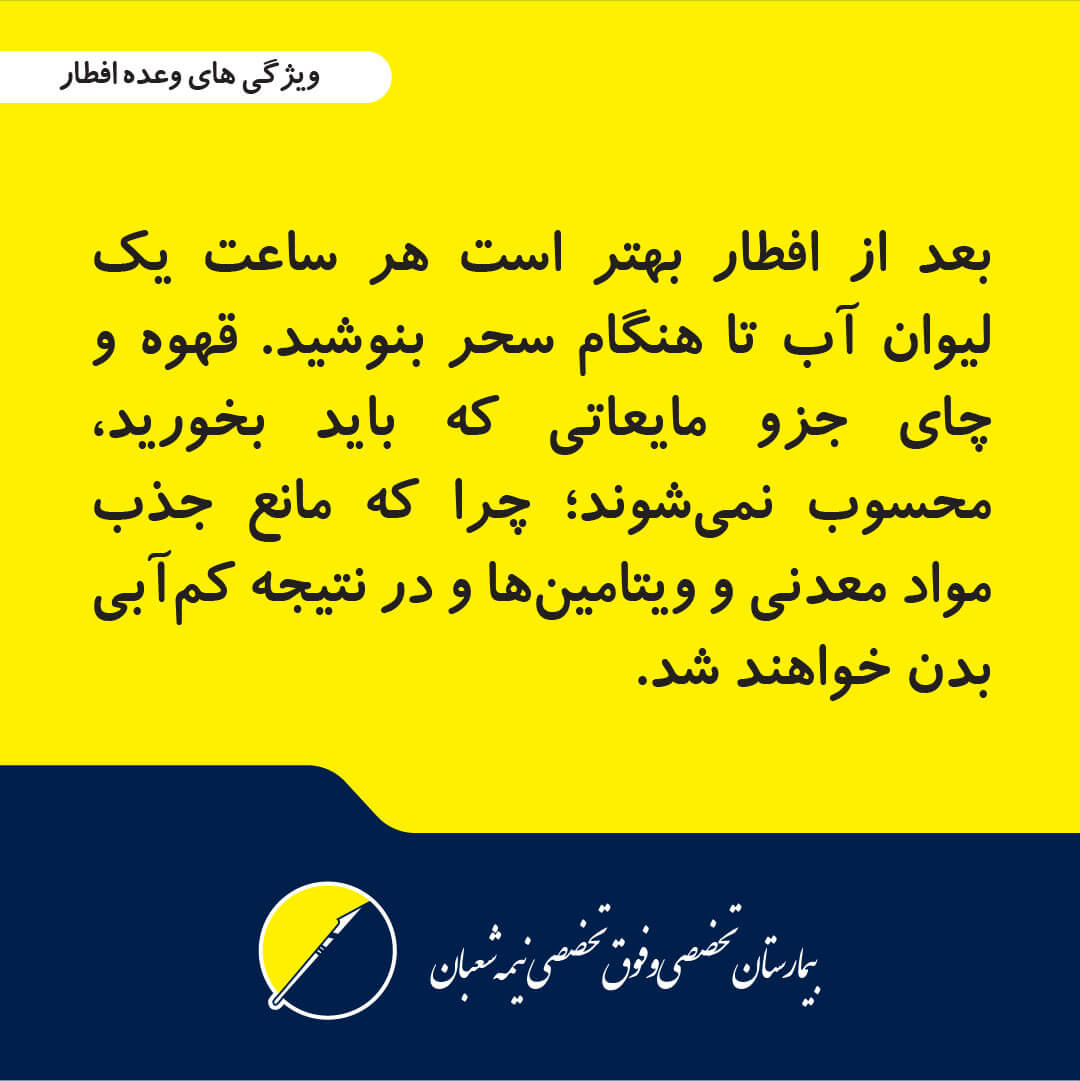
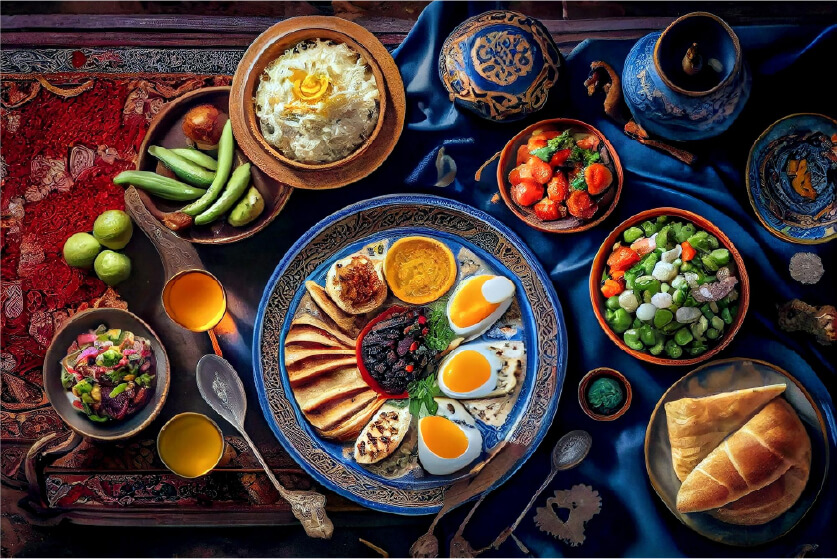
For iftar, choose a low-calorie meal that is easy to digest. The most important thing at iftar is restoring your water and blood sugar. Dates are one of the best and most important foods for iftar, as they supply your body with glucose and water. After iftar, it is best to drink a glass of water every hour until suhoor. Coffee and tea do not count among the fluids you should drink, because they hinder the absorption of minerals and vitamins and so lead to dehydration.
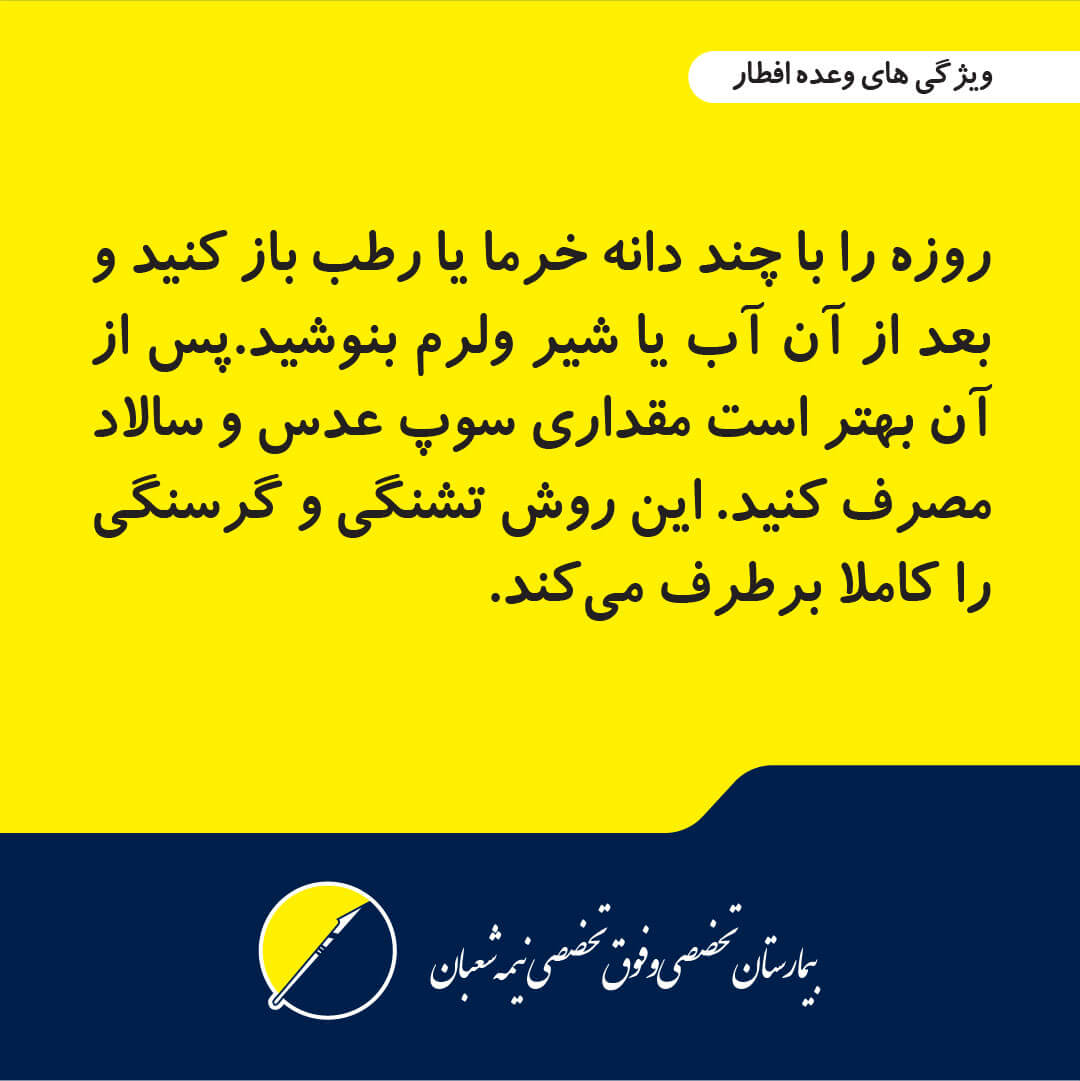
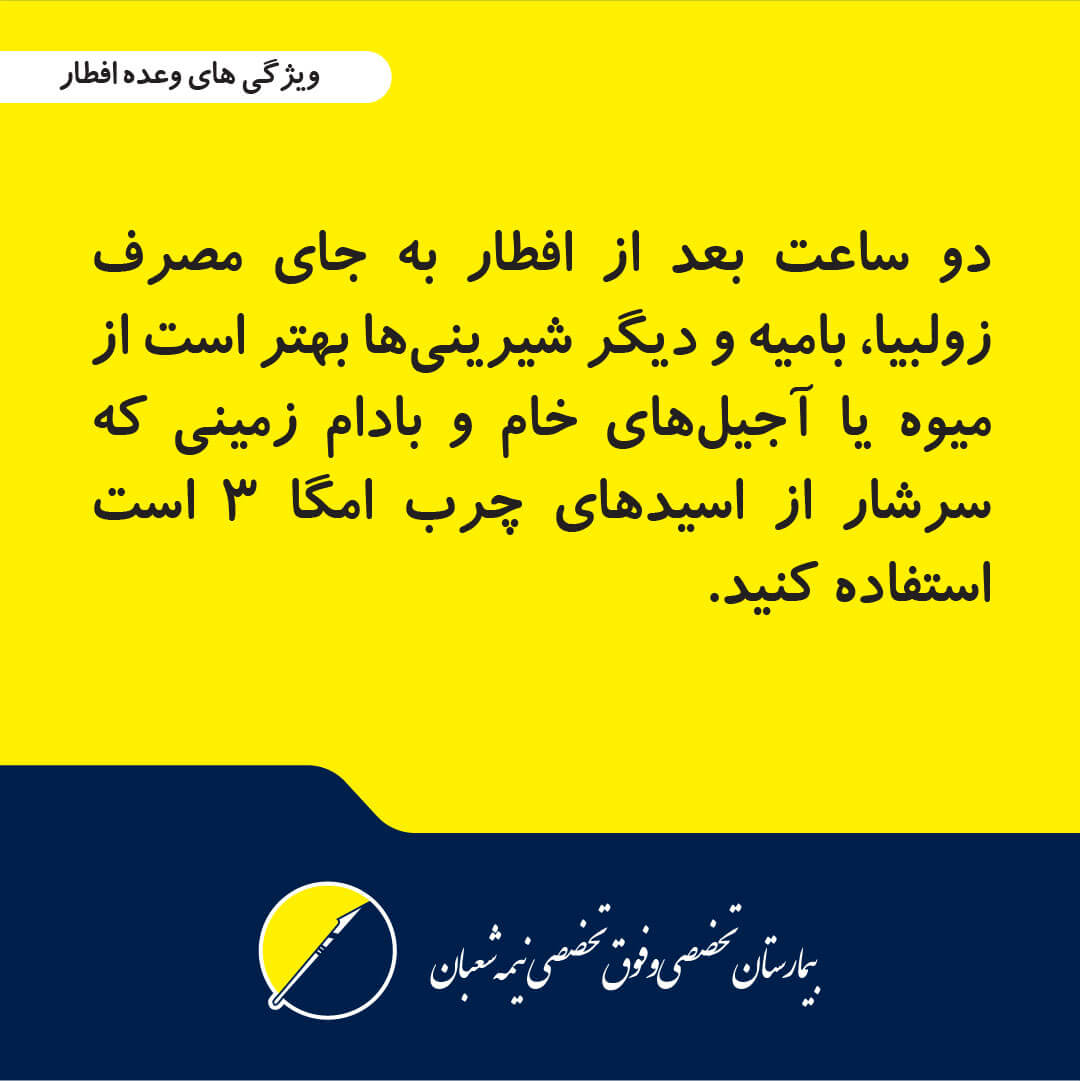
Break your fast with a few dried or fresh dates, and then drink lukewarm water or milk. After that, it is best to have some lentil soup and salad. This approach fully relieves thirst and hunger. Two hours after iftar, instead of eating zoolbia, bamieh and other sweets, it is better to have fruit or raw nuts and peanuts, which are rich in omega-3 fatty acids.
Drinking cold water disrupts the functioning of the nervous and digestive systems. The inside of the stomach is warm, and cold water entering it disrupts the digestion and absorption of food. To quench your thirst, it is best to drink lukewarm water or milk first. Eating sweet foods at iftar makes you want even sweeter things, and as a result your body’s metabolism runs into trouble. Sugar provides no useful calories and delivers no useful nutrients to your body.