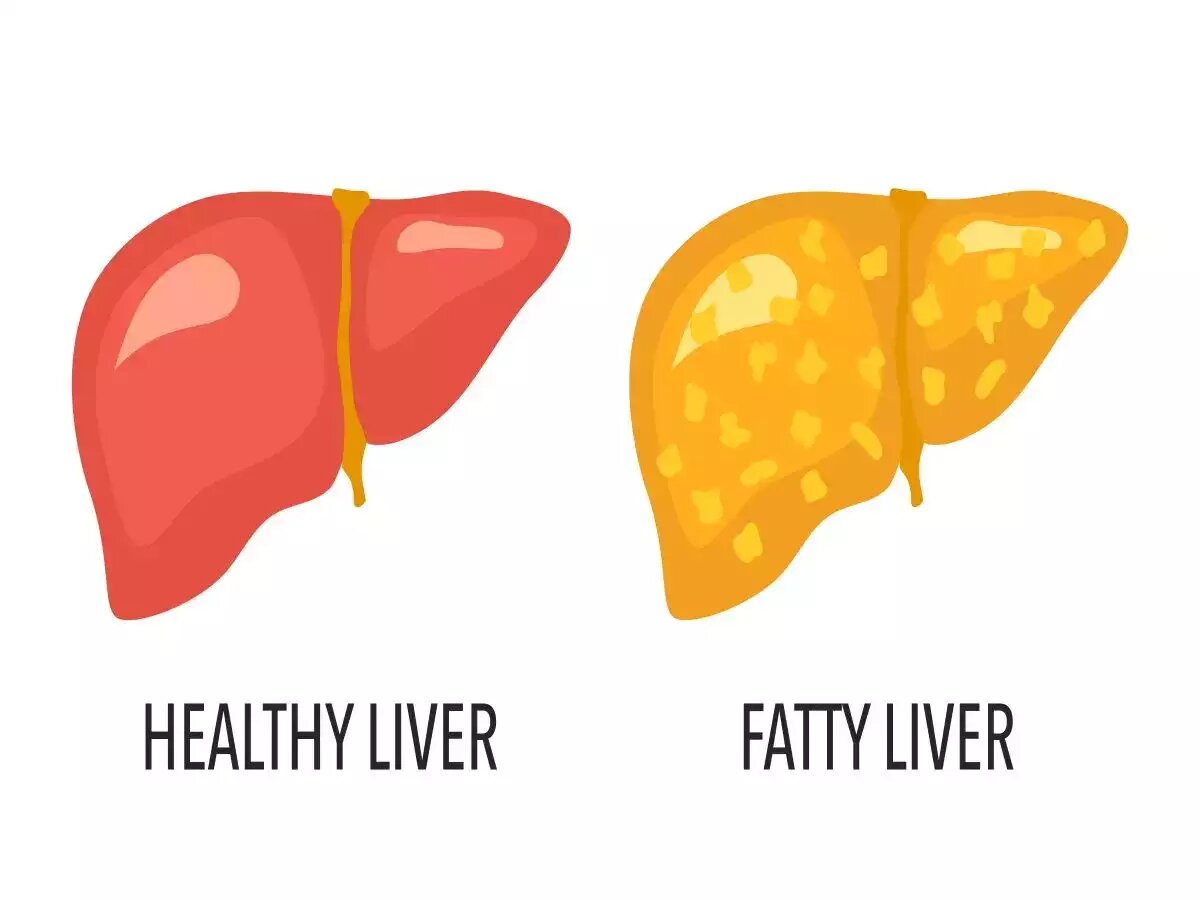
There are several types of fatty liver, ranging from the most basic level of fatty liver to its most advanced form. Non-alcoholic fatty liver disease (NAFLD) is a term for a wide range of conditions caused by a build-up of fat in the liver. It is usually seen in people who are overweight or obese. In its early stages NAFLD usually causes no harm, but if it gets worse it can lead to serious liver damage, including cirrhosis (deterioration and death of liver tissue). Grade 2 (level two) fatty liver is the most common type of non-alcoholic fatty liver among the general public. Having high levels of fat in the liver is associated with an increased risk of serious health problems such as diabetes, high blood pressure and kidney disease. If you have diabetes, NAFLD increases your chance of developing heart problems. If it is diagnosed and managed in its early stages, NAFLD can be kept from getting worse and the amount of fat in the liver can be reduced.
The liver is the second-largest organ in the body. It helps process the nutrients from food and drink and filters harmful substances out of the blood. Fatty liver disease is a common condition caused by the storage of excess fat in the liver. Most people have no symptoms, and fatty liver does not cause them serious problems. In some cases, however, it can lead to liver damage. The good news is that you can often prevent, or even reverse, fatty liver disease by changing your lifestyle.
A healthy liver contains a small amount of fat. It becomes a problem when fat reaches 5 to 10 percent of your liver’s weight. Too much fat in the liver can cause inflammation of the liver, which can damage it and cause scarring. In severe cases, liver scarring can lead to liver failure. When fatty liver develops in a person who drinks a lot of alcohol, it is known as alcoholic fatty liver disease (AFLD). When it develops in a person for reasons other than alcohol, such as obesity, it is called non-alcoholic fatty liver disease (NAFLD).
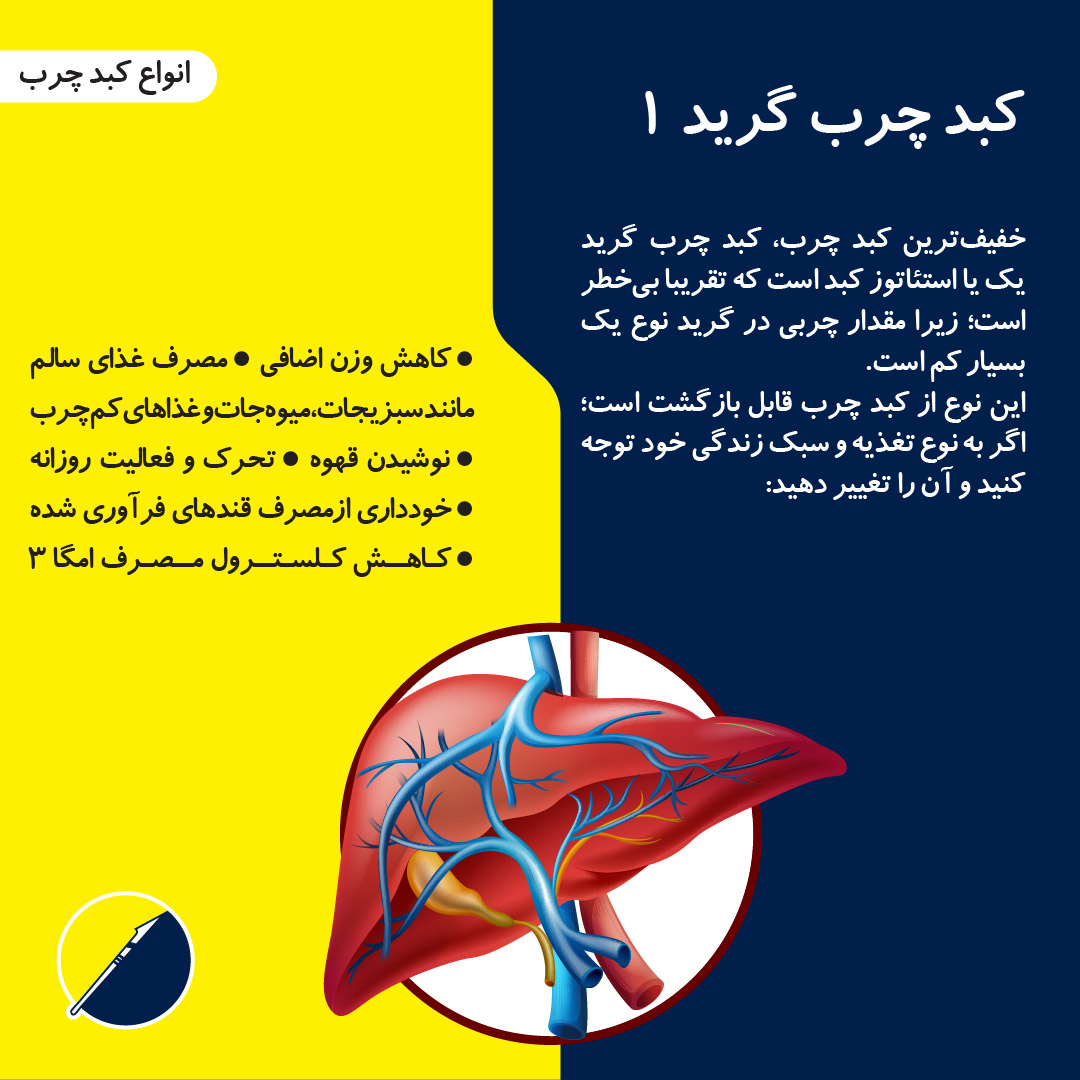
Grade 1 fatty liver
The mildest form of fatty liver is grade 1 fatty liver, or hepatic steatosis, which is almost harmless because the amount of fat in grade 1 is very small. Other features of level-one fatty liver include:
- Fat build-up in the outer part of the liver
- Tenderness of the liver to touch, especially in the upper right part of the abdomen
- Mild pain
- Warmth in the liver area
This type of fatty liver is reversible, and you can change it by following the points below and changing your diet and lifestyle:
- Losing excess weight
- Eating healthy food such as vegetables, fruit and low-fat foods
- Drinking coffee
- Staying mobile and active every day
- Avoiding processed sugars
- Lowering cholesterol
- Taking omega-3
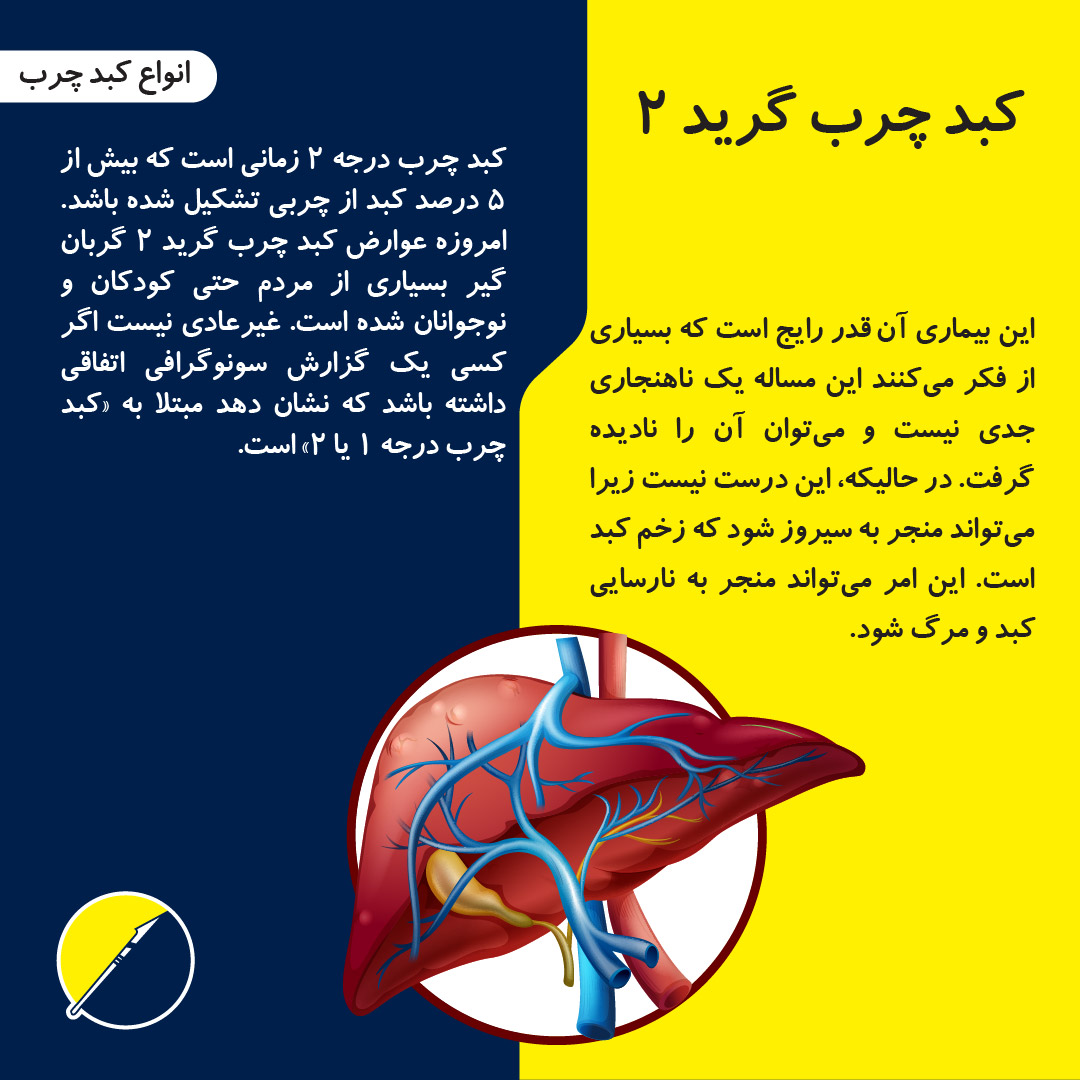
Grade 2 fatty liver
Most people with fatty liver have grade 2, and if they treat it in time it will not progress to the higher grades of the disease. Grade 2 fatty liver is when more than 5 percent of the liver is made up of fat. Today the complications of grade 2 fatty liver affect many people, even children and adolescents. It is not unusual for someone to have an incidental ultrasound report showing that they have “grade 1 or 2 fatty liver”. In fact, the condition is so common that many people think it is not a serious abnormality and can be ignored. This is not true: the scarring that forms in the liver as toxins, fat and dead tissue begin to accumulate can disrupt the liver’s structure and blood flow. Tissues that do not receive enough blood die. Grade 2 fatty liver is considered dangerous because it can lead to cirrhosis, which is scarring of the liver. This can lead to liver failure and death.
- Symptoms of grade 2 fatty liver
- Accompanied by pain and swelling
- Reduced liver efficiency
- Liver fibrosis or dead liver tissue
- Build-up of toxins in the liver
- Insufficient blood reaching the liver
Treatment of grade 2 fatty liver: treatment of grade 2 fatty liver includes lifestyle changes such as eating a healthy diet and exercising regularly. Cleansing a grade 2 fatty liver is possible with the help of fat-burning foods and drinks. However, you should also see a doctor so that medication can be prescribed for you if needed. So, for prompt treatment of grade 2 fatty liver, you should follow these nutritional tips alongside your medication.
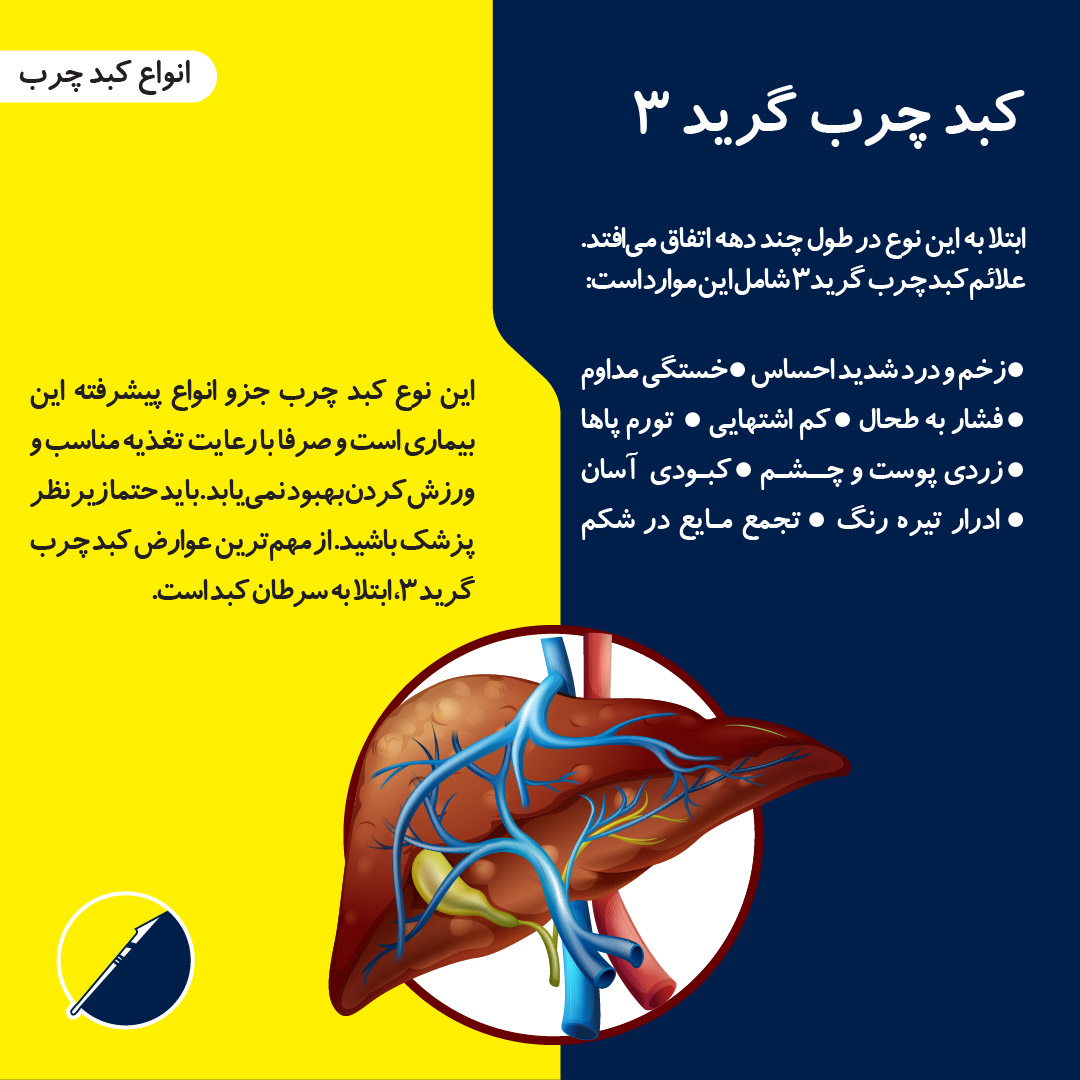
Grade 3 fatty liver
This type develops over several decades. Symptoms of grade 3 fatty liver include:
- Severe scarring
- Severe pain
- Constant tiredness
- Confusion
- Swelling of the liver
- Pressure on the spleen
- Poor appetite
- Bloating
- Yellowing of the whites of the eyes
- Abdominal pain
- Loss of appetite
- Weight loss
- Weakness or fatigue
- Nausea
- Itchy skin
- Yellowing of the skin and eyes
- Bruising or bleeding easily
- Dark urine
- Pale stools
- Fluid build-up in the abdomen (ascites)
- Swelling of the legs
- Visible blood vessels under the skin
- Breast enlargement in men
This type of fatty liver is one of the advanced forms of the disease and does not improve with good nutrition and exercise alone. You must be under a doctor’s care. One of the most important complications of grade 3 fatty liver is liver cancer.
For prompt treatment of grade 3 fatty liver, in addition to taking the medicines prescribed by a specialist, you need to make a fundamental change to your lifestyle and diet:
Eating natural, unprocessed foods that contain complex carbohydrates, fibre and protein is a good starting point. These foods can provide steady energy and help you feel full.
Some people choose specific eating plans such as the Mediterranean diet. This diet is a good choice for people with NAFLD because it keeps processed foods, added sugars and saturated fatty acids to a minimum.
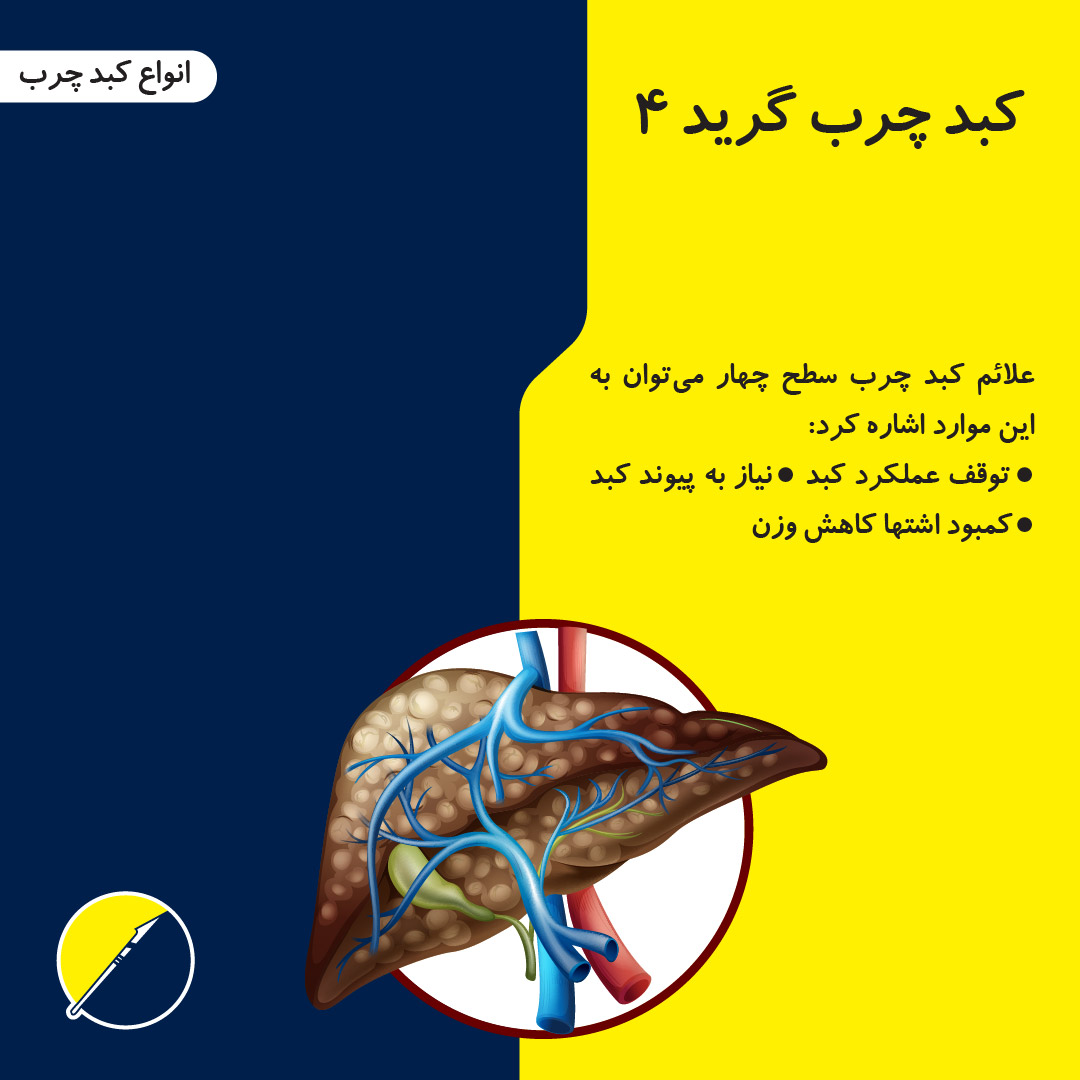
Grade 4 fatty liver
The most important symptoms of level-four fatty liver include:
- The liver stops functioning
- A liver transplant is needed
- Diarrhoea
- Poor appetite, weight loss
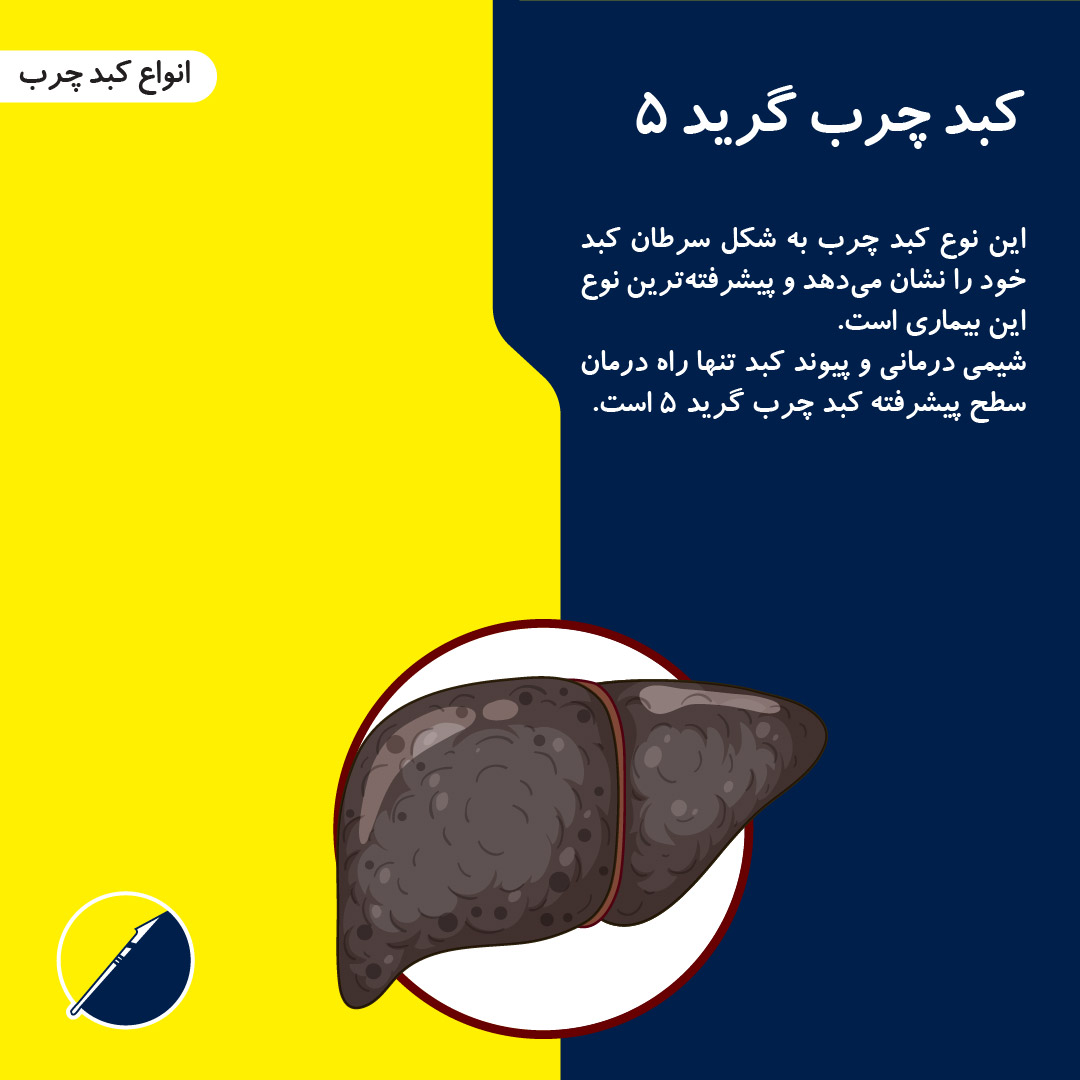
Grade 5 fatty liver
This type of fatty liver shows itself as liver cancer and is the most advanced form of the disease. Treatment of grade 5 fatty liver: chemotherapy and a liver transplant are the only treatments for the advanced stage of grade 5 fatty liver. Even so, at this stage people with grade 5 fatty liver need to pay more attention to their diet and daily physical activity than at the other levels of fatty liver.